How Much It Costs to Hire NodeJS Developers in London

Home

How Much It Costs to Hire NodeJS Developers in London

How Much It Costs to Hire NodeJS Developers in London

Discover the cost to hire Node.js developers in London: £30-£70/hour for juniors and £70-£150/hour for experienced, depending on expertise and project complexity.

Join our Newsletter!

Hire NodeJS Developers in London
The cost of hiring Node.js developers in London varies according to expertise, project complexity, and firm size. Junior developers often charge £30-£70 per hour, but experienced developers charge between £70 and £150 per hour. It’s critical to assess your project’s requirements and budget appropriately. The following are significant factors that determine these expenses.

1. Experience Level

The experience of a Node.js developer significantly impacts the hourly rate. Junior developers with limited experience in Node.js typically charge lower rates, between £30 – £70 per hour. They can handle basic tasks but may need more guidance. In contrast, senior developers with extensive experience in complex Node.js projects and advanced skills may charge £70 – £150 per hour. Their expertise includes managing large-scale applications, leading teams, and solving intricate technical challenges, justifying their higher rates.

2. Project Complexity

The complexity of the project plays a crucial role in determining developer rates. Projects requiring expertise in advanced Node.js frameworks (such as NestJS or Express) or specialized areas like cloud integration and real-time services will demand developers with advanced skills. Such projects often require a deeper understanding of architecture and scalability, leading to higher rates. Developers with specialized knowledge will charge more to reflect the increased technical demands and the project’s overall complexity.

3. Company Size and Location

The size of the company and its location can also influence Node.js developer rates. Larger companies located in central London typically offer higher hourly rates, ranging from £70 to £150. These companies often have more significant resources, larger budgets, and complex projects. In contrast, smaller startups or businesses based in suburban areas may offer lower rates, typically between £30 to £70, as they often work with tighter budgets and smaller-scale projects. However, location does not always guarantee lower rates, as other factors such as the project type can still affect pricing.

At Mindpath. we offer expert Node.js developers with the right experience to meet your project’s needs, whether you’re looking for junior talent or senior developers with specialized skills. Our developers are proficient in advanced frameworks, real-time solutions, and complex cloud integrations, ensuring your project is in capable hands.

Start building your team with Mindpath today!

Related Post

mobile app maintenance

Mobile app maintenance plays a key role in keeping the application stable, secure, and ready for real-world use. A new app can be created with great design and functionality, but its functionality is often determined by how well it is updated since it is released. The expectation of the users is flawless navigation, quick reaction, and no interruptions. Then how does an app keep these expectations going as technology, devices and user behaviour keep evolving?

This is where regular maintenance is necessary to achieve success in the long term. Regular updates assist in enhancing performance, repairing latent problems, and maintaining security as threats change. Simultaneously, it keeps the app running at the expectations of the user. In its absence, even a well-developed application may soon lose its worth in a competitive market. In this blog, we will be exploring the importance of mobile app maintenance.

Ready to reduce risks and keep your mobile app performing at its best? Mindpath offers maintenance and support services to support continuous performance and stability.

What is Mobile App Maintenance?

Mobile app maintenance is the continuous process that maintains an application after its release. It consists of performance enhancements, bug fixes and feature additions. Developers also tune UI and UX to user requirements. Moreover, applications can be updated regularly and checked to ensure that they remain compatible with new operating systems and versions of devices.

Mobile application maintenance helps reduce technical issues, security risks, and performance slowdowns. It makes the experience of users smooth and non-interrupted as well as crash-free. This leads to improved customer satisfaction and low uninstall rates. Ongoing maintenance makes the app stable, predictable, and up-to-date with the evolving technology and user needs.

Must Read: Proactive vs. Reactive

Types of Mobile App Maintenance

Maintenance of mobile applications involves various strategies that make an application stable, current and user friendly even after its launch. These are the categories of application maintenance services that will provide seamless operation and sustainability.

1. Corrective Maintenance

Corrective maintenance fixes post-release bugs, crashes and errors. It maintains a smooth running of the app in the hands of the users.

2. Preventive Maintenance

The preventive maintenance mitigates future problems by updating the codes and improving performance. It assists in preventing the issues before they arise.

3. Perfective Maintenance

Perfective maintenance enhances features, depending on user feedback. It also keeps the app in compliance with the evolving business requirements.

4. Adaptive Maintenance

Adaptive maintenance upgrades the app to new operating systems and devices. It maintains the compatibility of the app with evolving technology.

5. Emergency Maintenance

The emergency maintenance addresses urgent problems that influence the stability of the app. It promptly recovers normal functioning following critical failures.

Importance of Mobile App Maintenance

Mobile app maintenance keeps an application stable, secure, and high performing once it is launched. The following are the major significance of having mobile application:

1. App Security Updates

Mobile application maintenance enhances security by addressing vulnerabilities and preventing cyber threats. It protects the data of users and generates trust in the long term.

2. Performance Monitoring

Constant monitoring will assist in the monitoring of the performance of the apps and in the identification of problems in time. It guarantees the rapid repairs and maintains the smooth operation of the app.

3. Regular Feature Updates

The frequent updates are the features that make the app relevant and interesting. They also enhance usability and general user satisfaction.

4. App Store Compliance

It is necessary that apps adhere to the new app store policies to be available to users. Maintenance guarantees adherence and avoid removal or suspension.

5. Bug Fixing

Bug fixing is used to correct the errors that compromise the stability and performance of the apps. It enhances trustworthiness and delivers an easier user experience.

6. UI/UX Improvements

The UI/UX enhancements increase the design and usability of the app. They simplify navigation and enhance user interaction.

7. Downtime Reduction

Maintenance will assist in minimizing crashes and downtime surprises. This is to guarantee that users are not interrupted when availing services.

8. Technology Updates

Applications need to adapt to new technologies and operating system modifications. Maintenance will guarantee compatibility and maintain the app up to date.

9. Business Growth Support

A properly maintained app will attract and retain more users in the long run. This promotes business development and sustainability.

10. User Experience Enhancement

Frequent upgrades enhance user engagement with the application. They make the performance smoother and user satisfaction higher.

Best Practices for Mobile App Maintenance

Mobile application maintenance services is most effective when it is a well-planned and regularly followed process. The following are some of the most effective ways to maintain mobile applications.

1. Code Structure and Modularity

If the code is divided into distinct units, it becomes easier to resolve problems and make modifications. Also, when updating the main functions, the level of risk is minimized.

2. Continuous App Monitoring

If you use monitoring devices, they will assist you in following the application functioning in the real-time environment. They are capable of promptly identifying faults and failures.

3. User Feedback Analysis

Users’ comments and criticisms throw light on the genuine problems people experience using the app. So they allow developers to come up with the enhancement of the functions that respond to users’ specific requirements.

4. Issue Prioritization

The first thing to do is to classify the defects according to the extent to which they affect users. This will make sure that the most severe problems are resolved first.

5. Testing Before Release

It is important to do thorough testing to each and every updated version before making it available to the users. In doing so, you can be sure that users will not be subjected to any newly-introduced bugs.

6. Post Update Review

Checking ‍ performance and collecting user feedback after an update is a great way to make sure things are really working according to your ‍expectations.

Ready to Keep Your App Strong and Future Ready?

App maintenance is extremely important if you want to keep your app running smoothly, securely and in a way that users would enjoy even after it has been launched. It leads to improved performance, lesser bugs, and a seamless user experience. Besides that, regular updates are a way of standing out in a digitally-advanced world that is changing fast and also, apps that are well-maintained tend to be on the path of success.

At Mindpath, we offer maintenance and support services, aiming at keeping your app up-to-date, secure, and running efficiently. Our team works on increasing the overall stability of the app, resolving the bugs, as well as improving the user experience. We assist businesses in minimizing the periods of downtime and ensuring that the app runs smoothly, which in turn promotes growth and customer satisfaction.

Frequently Asked Questions

1. Why does mobile app maintenance matter after launching an app?

Mobile app maintenance ensures the app stays stable, secure, and smooth after launch. It helps fix hidden issues, improve performance, and keep users satisfied. Without regular updates, even a good app can become outdated and lose users over time in a competitive market.

2. How often should an app be maintained for best performance?

Maintenance should happen regularly, not only when problems appear. Monthly checks and timely updates help prevent bugs and performance issues. Continuous monitoring also ensures the app stays compatible with new devices, operating systems, and changing user expectations for a smooth experience.

3. What are the common issues solved through app maintenance?

App maintenance mainly fixes crashes, slow performance, and security gaps. It also addresses UI issues and improves overall usability. These updates ensure users face fewer interruptions and enjoy a smooth, reliable experience every time they use the app.

4. How is mobile app maintenance cost usually decided for businesses?

The mobile app maintenance cost depends on app complexity, features, and update frequency. Apps with advanced features or high user traffic may need more frequent updates, which increases cost. Regular maintenance, however, helps avoid bigger issues and expensive fixes later.

5. Can poor maintenance affect user experience and app success?

Poor maintenance directly impacts user satisfaction and trust. Users may face bugs, crashes, or slow performance, leading to uninstalls. Over time, this reduces engagement and affects business growth, making consistent updates essential for long-term app success.

Web development trends

The landscape of web development is evolving faster than ever. What was an innovation just a few years ago is now obsolete. Developers and businesses should stay ahead of the curve to remain relevant and competitive. From decentralized technology to AI-powered automation, the latest web development trends are redefining how web apps and websites are developed and optimized. 

These trends do not just revolve around making technical upgrades. They involve strategic shifts that influence digital growth and user experience. By embracing these advancements early, you can enjoy a decisive edge in this competitive digital world. Following a well-structured web development roadmap can help you prioritize the right technologies, tools, and methodologies for maximum impact.

In this blog, we will talk about some major trends in web development processes, methodologies, and tools that are constantly transforming this landscape. 

Using these trends in your business requires expert guidance. At Mindpath, we offer web development services where our guidance will provide you with the direction you need to stay ahead of the competition.

The New Era of Web Development

Web development is now entering a transformative era, significantly driven by user-centric designs and technological innovations. In the future, we can expect to see faster, personalized, and smarter websites.

Besides, the demand for Progressive Web Apps will increase as these apps provide users with an app-like experience without downloading an app. What’s more? With machine learning and IoT widely integrated into websites, the web will evolve into a more responsive, intelligent, and interactive ecosystem. 

Let’s further explore the top web development trends that are shaping the next generation of digital experience.  

Top Web Development Trends 2026

As we move deeper into 2026, here are some trends that are reshaping how web applications and websites are built and deployed. These innovations enhance scalability, performance and align with increasing demand for transparency, security and personalization.

1. Code Will Become Optional: AI-Assisted Development

In 2026, AI-powered web development tools will streamline multiple tasks, from code creation to UX enhancement. Platforms such as OpenAI Codex, GitHub Copilot, Tabnine, and more help developers by suggesting improvements, writing boilerplate code, debugging, and more. 

Besides, web application development trends in 2026 include predictive analytics, AI-assisted personalization, intelligent chatbots, etc. Such intelligent capabilities have become integral to modern web development projects with source code, reducing development time and enhancing user engagement. 

2. The Rise of Jamstack Architecture

Jamstack (which combines JavaScript, APIs, and Markup) has become one of the most popular web development technologies. This modern architecture decouples the front-end from the back-end. It leads to improved security, better scalability, as well as faster load times. For marketing pages, e-commerce sites, and content-heavy platforms, Jamstack would be an excellent choice 

3. Blockchain Technology

Blockchain is here to facilitate continuous flows of records and transactions, called blocks. This technology is cryptographically secure and records every transaction in a tamper-proof and transparent manner.  

Web developers can use this to create high-performance, decentralized applications that eliminate centralized control and intermediaries. 

4. Progressive Web Apps

By combining the features and functionalities of native mobile apps and websites, PWAs are changing the web development process. These apps offer an app-like experience while being cost-effective and accessible. 

A report indicates that the global PWA market is projected to grow from USD 1.9 billion in 2014 to USD 9.7 billion by the end of 2034 (Source: Emergen Research). This clearly shows the rising adoption of PWAs by businesses.

5. Machine Learning in Browsers

Thanks to the latest web development technologies like TensorFlow.js and WebAssembly, web developers can easily run various machine learning models in browsers. This facilitates voice recognition, real-time personalization, predictive UX, and more. It is now possible to create privacy-conscious and faster applications that can adapt to user behaviour. 

Are your web apps providing the best possible experience for users? Discover UI/UX design trends in web application development to learn how modern design trends can enhance usability and engagement.

6. Micro-Frontends

It breaks down the complete UI into manageable, smaller components. This modular approach significantly enhances scalability and facilitates parallel development. This can be an excellent solution for large-scale development projects. 

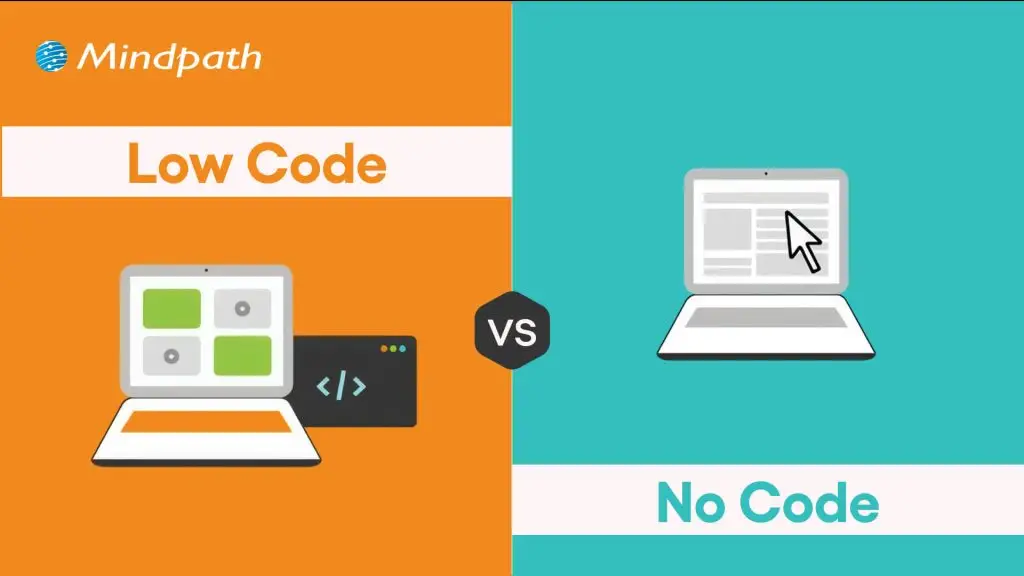
7. No-Code and Low-Code Platforms

Low-code development is getting popular among developers. Platforms such as Bubble, OutSystems, and Webflow let non-technical users create functional websites with minimal coding. It reduces costs and accelerates prototyping. Low-code or no-code development is one of the impactful dev trends in 2026 for small businesses and startups.  

8. Single Page Applications

These web apps are created as a single page, and they can dynamically update content in real-time. SPAs help reduce costs, and businesses can use cloud technology to attain scalability. Some examples of popular SPAs are Google Maps, Facebook, Airbnb, Twitter, and Netflix. 

9. WebRTC Advancements

WebRTC is a major technical advancement in the field of web app development. It is an open-source technology and uses HTML and JavaScript APIs to add communication features to browsers. There is no need to use any external software or plugins.

With the help of RTCPeerConnection, RTCDataChannel, and MediaStream, it enables peer-to-peer data, video, and audio sharing. 

10. Edge Computing

It refers to the processing of data closer to the source instead of depending on centralized data centers. It reduces latency, improves privacy and performance while helping businesses to keep costs low. 

Edge computing is becoming significantly crucial for business, and it is estimated that by 2028, it will reach USD 378 billion (Source: IDC Research). 

Choosing the right technologies is crucial for building a high-performing web app. Explore the tech stack for your web app success to discover the best tools and frameworks for your project.

11. Motion UI Frameworks

These frameworks help bring a static interface to life by integrating optimized transitions and animations. For example, Animate.css offers ready-to-use animations that are compatible with multiple browsers. It is a great option for sliders and home pages. 

You can implement animations that are not just visually appealing but also serve functional purposes, such as highlighting vital information, guiding visitors through a certain process, etc. 

12. Adaptive and Responsive Design

Web development trends in 2026 also include the wide use of adaptive designs. With wearables and foldable devices entering the mainstream, adaptive design is now evolving. Developers are prioritizing gesture optimization, context-centric layouts, and device-specific breakpoints. 

This shift is central to modern web development trends, ensuring a consistent user interface across screens and devices. 

13. Server-Driven UI

It enables servers to identify the behaviour and structure of the front-end for dynamic content rendering and quick updates. It transmits JSON-based instructions to the frontend and controls the UI layouts.

This development approach allows faster deployment, seamless CMS integration, personalization, and cross-platform consistency. It is a strategic shift in today’s web development trends.

14. Data-Driven UX and Real-Time Analytics

Developers are now integrating session recording, heatmaps, real-time user behaviour tracking, and more for design decisions. This approach reduces guesswork and assumptions while enhancing user satisfaction. 

Product metrics, email analytics, Google Analytics, and social media analytics are some commonly used analytics tools to get important quantitative data. This approach aligns with new web development trends and can also boost conversion rates. 

15. AI-Assisted SEO Optimization

With search engines, SEO is also evolving. AI tools are now helping with content scoring, meta tag generation, keyword clustering, and improving internal linking. 

For developers and content strategists, it means better alignment with user needs and faster optimization cycles. 

Looking to build a website that drives engagement and conversions? Explore web design and development services to discover how professional design and development make an impact.

Latest Web Development Languages for 2026

Staying updated with the Latest Web Development Languages is also important to create future-proof and scalable web applications. Here are some key languages that cater to frontend as well as backend needs.

1. JavaScript

The backbone of front-end development, and it helps create interactive and dynamic user interfaces. 

2. TypeScript

An ideal option for large-scale projects due to its error reduction and maintainability. 

3. Go

Also called Golang, it is popular for its concurrency and speed. It is widely used for websites requiring high performance. 

4. PHP

A dominating language for server-side scripting. Frameworks such as Laravel are modernizing PHP development.

5. Rust

Well-known for performance and memory safety, Rust works well for secure backend systems and web assembly projects. 

Want a web application built to match your workflow perfectly? Discover our custom web development services to learn how we create bespoke digital experiences.

Dev Trends to Watch in 2026

In 2026, the application development trends cover CI/CD automation, AI coding, and more. Here are some major dev trends you should consider. 

1. Mico Frontends

Dividing user interfaces into independently-deployed, smaller parts with an aim to achieve flexibility, collaboration, and scalability. 

2. AI-Assisted Coding

Smart testing tools and code generation tools powered by AI are simplifying workflows. 

3. CI/CD Pipelines

Automated testing ensures that web applications and websites are updated on time and faster. 

4. Sustainable Development

Coding architectures and practices that meet global accessibility standards and reduce energy consumption are getting popular in dev trends. 

5. 5G Integration

Developers can leverage 5G technology to optimize CDNs or Content Delivery Networks and create high-performing websites. 

It can be said that the future of web development holds more such exciting innovations. 

Integrating CI/CD into your development cycle can boost productivity. Explore CI/CD Pipelines to discover tools and techniques for seamless automation.

It’s Time to Embrace the Trends

The 2026 web development trends clearly signal a shift toward adaptability, speed, and intelligence. Businesses optimizing their landing pages or creating new websites from scratch, these new technologies in web development can offer strategic opportunities to enhance the digital experience.  

If you are searching for an expert who can guide you through this evolving landscape, Mindpath would be the best option for you. We offer comprehensive web development solutions designed to take your digital experience to a whole new level. Our experts keep themselves updated with the current web development trends so that you can enjoy the desired results. Let us develop a perfect website integrated with advanced features and capabilities, and stand out in this competitive market.  

Support Is One Click Away

Featured Posts

Related Post

Discover the top 8 benefits of Node.js for web development, from seamless scalability to cost reduction. Elevate your web app performance with Node.js today!