


Unlocking Cyber Security: Fresh Approaches to Protect Your Business

Join our Newsletter!

Featured Posts

Support Is One Click Away

Home

Unlocking Cyber Security: Fresh Approaches to Protect Your Business

Unlocking Cyber Security

Unlocking Cyber Security: Fresh Approaches to Protect Your Business

Ever wondered how secure your business really is in today’s digital age? What if we tell you that there are better ways to protect your digital assets from emerging threats? As cyber-attacks become more sophisticated, it’s essential to stay ahead of the curve. In this blog, we’ll explore effective strategies to enhance your business’s cyber security. 

Cybersecurity refers to protecting your computer systems and data against cyber-attacks. These risks include hackers attempting to steal or destroy your data, malware that locks your files until you pay a fee, and attacks that interrupt your business. With so many gadgets and more skilled hackers, it is essential to employ numerous levels of security. This includes employing tools to detect and resolve issues, as well as ensuring that your people and procedures are prepared to respond. Cybersecurity is all about integrating smart technology and behaviors to keep your digital world safe. Cybersecurity is essential because it protects us from online threats that might lead to catastrophic consequences, such as identity theft or data loss. Our everyday lives rely on secure systems like power plants, hospitals, and banking. If these systems are not secured, they can harm everyone. 

So, let’s dive in to explore the ways in which we can increase cyber security! 

Ways to Increase Cyber Security

1. Regular Updates

To keep your computers safe, update them on a regular basis. This includes desktop computers, laptops, and mobile devices. Keep your operating systems and web browsers up to date to guard against emerging threats. Check for updates to any software on your computer, including security programs. Cloud-based software often updates automatically, so you don’t have to worry about it. If the employees use mobile devices for work, make sure they maintain their software up to date, particularly security programs. This helps keep all your gadgets safe. 

2. Training Employees

Make sure your staff are aware of your company’s security plan. Begin by developing a cybersecurity policy that specifies best practices and processes for keeping information secure. This policy ought to specify what procedures to take if there is a security breach. Encourage staff to adopt strong, unique passwords for all accounts and devices. They should use different passwords for their PC, mobile devices, and corporate accounts. Whenever possible, enable two-factor authentication. This provides an additional security layer by needing a second device or code to complete the sign-in procedure. This helps to safeguard your accounts even when passwords are stolen. Additionally, provide regular training for your employees on cybersecurity. This helps them stay informed about the latest threats and best practices. 

3. Limiting Access

Make sure that only authorized individuals have access to company computers and accounts. Even trustworthy people should not access information or equipment that they are not authorized to use. For example, do not allow a customer to use a work laptop to search something up. Different workers may require varying degrees of access depending on their positions. Ensure that staff do not reveal their account details. For example, an accountant should never share their accounting software password with a salesman. When feasible, build unique logins for each employee. This enables you to restrict and limit what each individual may access depending on their function, therefore improving overall security.

4. Securing Wi-Fi

If your business’s Wi-Fi is not sufficiently safeguarded, it might pose a security concern. Make sure your Wi-Fi is password-protected so that only employees have access to it. Ideally, keep the WiFi password secret from employees. If you need to provide Wi-Fi connectivity to customers, create a separate network exclusively for them. This guest network should be separate from the network of your company to avoid unauthorized access to important files and data. Keeping these networks distinct helps secure your company’s information from potential security attacks. 

5. Create Backups

To avoid data loss, back up your computer’s information on a regular basis. If files are stolen or go missing, maintaining a backup allows you to restore them. Make sure that all vital data is backed up. For example, if you have vendor information on your desktop, keep a copy on the cloud. Both copies should be encrypted and password-protected to prevent unauthorized access. This way, if something goes wrong, you’ll still have access to vital data. 

6. Create Mobile Action Plan

Mobile devices may be a security issue, especially if they hold sensitive information or provide access to your business network. To reduce these dangers, ask users to password lock their devices and encrypt their data. Encourage them to use security programs to protect their information, particularly while accessing public networks. In addition, create explicit protocols for reporting missing or stolen devices. This allows you to respond swiftly to security breaches and guarantees that your data and network are protected. 

7. Passwords and Authentications

Ensure that staff use unique passwords for each account and update them every three months. To improve security, use multi-factor authentication (MFA), which needs more than just a password to access accounts and typically includes a second form of verification, such as a code texted to a mobile device. Additionally, check with providers who handle sensitive data, such as banking services, to determine if they provide MFA for your accounts. This extra step helps to secure your information from unauthorized access. 

Increase Your Cyber Security at Mindpath

At Mindpath, we make it easier to safeguard your company from cyber-attacks. We assist you in increasing your security by using strong passwords, keeping software up to date, and implementing additional levels of protection such as multi-factor authentication. Our staff guarantees that your data is safe and secure, providing you peace of mind while enabling you to concentrate on your company. Let us assist you in keeping your digital world safe! 

Wrapping Up!

Cybersecurity is more essential than ever in today’s digital environment. You can significantly boost your company’s cyber security by applying the measures we’ve covered, which include frequent updates, complete staff training, restricted access, secure Wi-Fi, dependable backups, a mobile action plan, and strong password restrictions. Our web development services are devoted to assisting you in navigating these challenges with ease. Our team is committed to providing you with the resources and assistance you require to safeguard your digital assets and keep your peace of mind. 

Ready to fortify your business against cyber threats?

Connect with Mindpath for top-notch security solutions tailored to your needs.
Related Post

Explore how IT staff augmentation trends are reshaping the tech industry, from cybersecurity to AI, and discover Mindpath’s expert solutions.
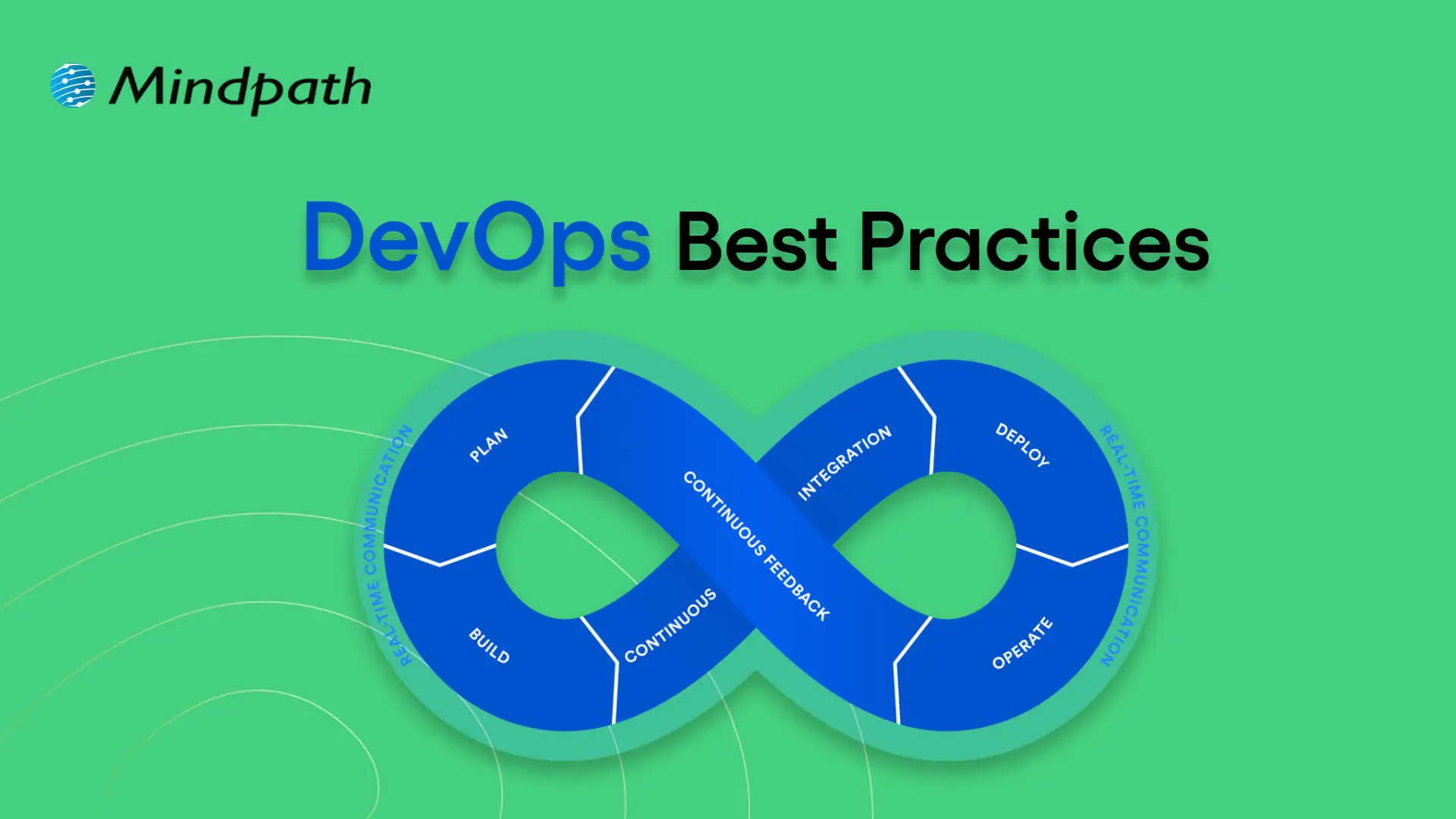
Discover essential DevOps best practices to enhance efficiency, streamline processes, and boost collaboration for your business with Mindpath.
Discover how top companies like LinkedIn, Netflix, and Walmart leverage Node.js for performance, scalability, and faster development. Learn more with Mindpath’s services.

Related Post

Fintech software development

Have you ever wondered how your bank manages to offer seamless online services, instant transactions, or personalized financial advice? The answer lies in Fintech software development. But what makes it so crucial in the world of modern banking? In this blog, we will explore Fintech software development and how this technology is transforming the way we manage our finances. So, let’s dive in! 

What is Fintech?

Fintech is a phrase that refers to emerging technology that enables financial services to be delivered more quickly and efficiently. It entails creating software that allows financial institutions and clients to communicate and manage funds in ways that were previously impossible. Fintech software development focusses on providing tools and apps that aid in financial decision-making, improve client experiences, and make financial services more accessible. It enables customers to take control of their financial situation, with advantages such as ease of access, increased customer satisfaction, and lower costs. 

What is Fintech Software Development?

Financial software development involves building digital systems and solutions tailored to the financial industry. Like other software development methods, it focusses on creating solutions that assist both companies and their customers. Financial software may offer up multiple opportunities for business by leveraging current technology stack, helping businesses to fulfil their goals. These solutions enable businesses to cut expenses, increase security, and create more personalized customer experiences. 

Types Of Fintech Software Development

1. Types Of Fintech Software Development

Insurance technology (InsurTech) is software that enables insurance businesses to operate more efficiently. InsurTech allows businesses to analyze risks, offer better discounts, and make it easier for customers to apply for insurance and handle their claims. This kind of software may be used for a variety of insurance products, including life, automobiles, house, and pet insurance. It improves and speeds up the entire process for both the organization and the customer. 

2. Payment Processing Software

Payment processing software handles all transactions for a financial institution. It acts as a mediator, linking payment service providers along with cardholders to facilitate online and mobile payments. This software enables even small enterprises to take credit cards and online payments easily. 

3. Digital Banking Software

Without physically visiting a bank, customers may receive financial services and manage their bank accounts with the help of digital banking software. This software allows users to accomplish anything they would do at a real bank, including opening accounts, asking for loans, moving funds, and making transactions, from any of their devices. 

4. Investment Software

Investment software is an efficient tool that aims to make investment accessible to anyone, not only those who are wealthy. It streamlines the investing process by cutting costs, removing mediators, and making trading, bidding, and purchasing easier for users. 

5. Tax Management Software

Tax management software is useful because it streamlines the often-complex process of handling and submitting taxes. This financial software allows firms to simply produce, submit, and handle tax documents. Most processes are automated, so you don’t require prior expertise or an accountant to efficiently manage your taxes.

Ready to Revolutionize Your Fintech Solutions? 

Mindpath specializes in creating custom software tailored to your needs. 

Benefits of Fintech Development Services

1. Enhanced Security

Fintech development employs modern technology such as encryption, artificial intelligence, and biometrics to safeguard financial information. These tools assist in detecting fraud and creating a secure environment for transactions. Furthermore, it includes high security requirements to secure data, so preventing identity theft and other online hazards. 

2. Greater Accessibility

Fintech enables everybody to access financial services from anywhere, regardless of their location or financial position. Fintech eliminates conventional obstacles such as high charges and difficult procedures, allowing anybody with internet connection to easily utilize a variety of services ranging from banking to investing on any device. This increased accessibility enables more people to receive financial assistance and manage their money more efficiently. 

3. Reduced Costs

Fintech may reduce operating expenses and share the savings with their clients. Fintech solutions are often less expensive than traditional services because they employ digital technology to automate operations, lowering human labor and administrative costs. This enables banks to provide reduced rates and fees, saving clients’ money. Furthermore, fintech increases transparency and flexibility, allowing users to make intelligent choices and customize solutions to meet their specific needs. 

4. Boosted Operational Efficiency

Fintech helps financial institutions to automate procedures, improve operations, and provide better customer service. By replacing human processes with automated solutions, expenses are reduced, and efficiency is increased, resulting in quicker, more precise operations. Fintech also helps to reduce risk by enhancing data tracking and monitoring. Additionally, it provides insights into client behavior and financial patterns, allowing institutions to make smarter judgements. 

5. Automated Financial Processes

The automation of financial processes is a significant advantage of Fintech. It makes it easier and quicker financial management for consumers by allowing them to set up automated payments, move cash across accounts, and receive alerts for significant events. This automation improves accuracy while also reducing the amount of manual effort required for financial transactions. Consequently, businesses and customers might save time, money, and improve efficiency. 

Fintech Development Services at Mindpath

At Mindpath, we provide Fintech development services to improve and simplify financial services. We specialize in developing digital tools and apps that simplify money management, transaction processing, and access to financial services. Our team builds unique solutions that are adapted to your specific requirements, such as mobile apps for banking, investment platforms, and payment systems. We prioritize making these products simple to use and secure, allowing you to manage your funds effectively and safely. Here are some of our services: 

1. Requirement Analysis & Planning

We collaborate to understand your unique financial needs and plan a solution that aligns with your business goals. 

2. Custom Application Development

We develop bespoke fintech applications, including mobile banking apps, investment platforms, payment systems, and more, tailored to your specifications. 

3. Integration with Existing Systems

Our solutions integrate seamlessly with your current financial systems to ensure smooth and efficient operations. 

4. Maintenance & Support

We offer ongoing support and maintenance to keep your fintech applications secure, up-to-date, and running efficiently. 

Wrapping Up!

Fintech software development is changing the way we manage our financial resources, making it easier and more efficient than ever before. Fintech is transforming the financial industry in a variety of ways, including increased security, cost savings, and work automation. Whether used to manage investments, make payments, or access financial services, this software provides extraordinary convenience and accessibility. As technology evolves, fintech will continue to drive innovation and improve financial services for everybody. 

At Mindpath, we want to help you take full advantage of these exciting advancements. Our team develops personalized fintech solutions to help you manage your finances more easily and securely. Whether you require a new app, enhanced integration, or continuing maintenance, we have you covered. 

Looking for Cutting-Edge Fintech Development?

At Mindpath, we deliver innovative solutions designed to elevate your financial services. 

DevOps vs. Traditional IT

Are you wondering how DevOps compares to traditional IT? What makes one approach more efficient or suitable for today’s fast-paced tech world? Whether you’re a business owner, a tech enthusiast, or just curious about modern IT practices, understanding the differences between DevOps and traditional IT models can help you make the best decision for your needs. Let’s dive in and explore how these two approaches stack up!  

What is DevOps?

DevOps is a fundamental idea that tries to bring together two key teams: development and operations. Previously, these teams operated independently, which sometimes resulted in miscommunication and delays. DevOps addresses this by fostering a more collaborative environment. 

The term DevOps is derived from “development” and “operations.” It’s all about making it easier for these two teams to collaborate on software development, testing, and delivery. When development and operations collaborate, it is simpler to address challenges such as delayed software upgrades, poor coordination, and feature delivery delays. 

Companies can employ DevOps to speed up their software development process. It involves leveraging tools, automating activities, and enhancing team communication, all of which contribute to faster, more efficient product releases for clients. 

Advantages of DevOps

1. Cost Effective

DevOps saves businesses money by automating various procedures, reducing the need for additional human resources and accelerating software development. Developers can create more effective code, identify errors early, and make changes more quickly by utilizing DevOps principles like continuous integration and delivery, which reduces total expenses. Automation also lowers mistakes, delays, and increases the quality of the finished product. DevOps enables firms to generate high-quality software at a lower cost, helping them remain competitive in the market. 

2. Security

Security is an essential concern for most firms, and DevOps helps by incorporating security into every stage of the development process. DevOps automates the development and deployment processes, enabling developers to work swiftly and safely. DevOps employs continuous testing and feedback to automatically detect problems and vulnerabilities as software is produced, resulting in high-quality and secure code. Automated technologies also aid in the early detection of security concerns, making them easier to resolve before they grow into larger difficulties. Companies can employ DevOps to reliably release updates and safeguard their software throughout its lifecycle. 

3. Increased Flexibility

DevOps provides developers more freedom by allowing them to distribute new features or upgrades fast and effectively. The development team can quickly implement changes due to continuous delivery and testing, allowing organizations to respond to market needs and customer feedback. This agility enables businesses to remain ahead of the competition and get the first-mover advantage by being the first to provide new goods or improvements. Faster releases not only make customers happier, but they also allow organizations to innovate more frequently and adapt quickly to changing demands, making the entire development process more dynamic and flexible. 

4. Fosters Communication

Implementing DevOps methods improves communication inside an organization. DevOps fosters collaboration between development and operations teams, directing everyone towards similar business objectives and supporting a united approach to goal achievement. This practice successfully removes communication obstacles, resulting in a smoother workflow and ensuring that both teams collaborate effortlessly. As a consequence, organizations can offer higher-quality goods that better fulfil the expectations of their customers. Superior communication and cooperation not only drive project success but also help to create a more productive and profitable corporate environment. 

What is Traditional IT?

Traditional IT is the old technique of handling technology in enterprises. It makes use of real equipment like servers, computers, and network equipment to store data and operate programs. This system requires a significant amount of room, electricity, and money to put up and maintain. It also necessitates the usage of an in-house IT team to oversee everything, from hardware installation and configuration to problem resolution and overall operation. Because the infrastructure is built from physical components, it can be rather expensive, especially when it comes to upgrading or replacing obsolete gear. Businesses must also prepare for data storage, security, and backups, which can require additional time and resources. Furthermore, scaling up operations or introducing additional services can be cumbersome and expensive, as it often requires more hardware and manual setup. 

Advantages of Traditional IT

1. Data privacy

One significant advantage of traditional IT is data privacy. Traditional IT gives you complete control over where your data is stored, generally on your own servers or hardware. This means that you can control who gets access to your data and how it is safeguarded. Because the data remains within your organization, you do not have to be concerned about third-party firms gaining access to it, which can provide you with peace of mind. Furthermore, storing data locally allows you to implement unique security measures tailored to your company’s specific requirements. To safeguard sensitive information, you can use firewalls, encryption, and other techniques. For firms that manage sensitive data, having direct control over it can be a significant advantage since it decreases the chance of breaches or unauthorized access.  

2. Consistent data access

Traditional IT has a significant edge in terms of constant data access. By keeping data on premises, or on your own servers or hardware, you can ensure that it is always accessible, even if there are network or internet outages. Because the data is kept locally, you do not need an external internet connection to access it, making it more dependable during internet outages or disturbances. This is especially valuable for firms that require immediate and ongoing access to essential data, such as financial records or client information. Even if the internet goes down, conventional IT allows employees to view and work with data stored on the company’s servers. Additionally, local storage allows businesses to customize their access and backup strategies, ensuring data is always available when needed. 

3. Security

Improved security is one of the most significant advantages of traditional IT. Data and apps are stored on your own servers, so you have complete control over who can access them. This makes it easy to restrict access to just authorized staff, ensuring sensitive information is safeguarded. You can use security measures such as firewalls, encryption, and access restrictions to guarantee that only authorized people have access to sensitive data. Traditional IT allows you to monitor and trace who accesses what data, providing you with greater management and control over your security. If your company handles sensitive or secret information, having this degree of control is essential for avoiding unauthorized access or data breaches.  

4. Reliability

Traditional IT is highly reliable since it is not dependent on internet access. Because data is kept on your own servers, it is always available, even during internet outages or disturbances. This decreases the likelihood of service disruptions, which can harm cloud-based services. In the case of traditional IT, all apps and data are available locally, allowing your firm to continue operations without the need for an external network connection. This makes traditional IT a more dependable alternative for organizations that want regular access to their data, particularly in places where internet connectivity is unpredictable. Furthermore, because the infrastructure is managed internally, firms can set up their own backup systems and disaster recovery plans, lowering the chance of data loss or interruption. 

DevOps vs. Traditional IT: A Comparison Table

Aspect 

Traditional IT 

DevOps 

Development & Operations 

Work in silos, lack of collaboration 

Integrated teams, continuous communication 

Delivery Methodology 

Waterfall, long development cycles 

Continuous Integration/Continuous Delivery (CI/CD) 

Process Management 

Manual processes, prone to errors 

Automated processes, faster and more reliable 

Incident Management 

Reactive, issues fixed after they occur 

Proactive, issues identified and resolved early 

Flexibility 

Rigid, difficult to adapt 

Agile, quick to respond to changes and feedback 

Testing 

Testing after development, delayed bug discovery 

Shift-left testing, bugs detected early 

Feedback Loops 

Delayed feedback after release 

Continuous, real-time feedback from users and teams 

DevOps Services at Mindpath

Mindpath offers full DevOps services to optimize your software development and delivery operations. By combining development and operations teams, we encourage seamless cooperation and quicker, more dependable releases. Our emphasis on automation, continuous integration, and real-time monitoring helps to eliminate manual mistakes while maintaining consistency across environments. We also prioritize proactive issue identification, which enables teams to handle possible issues before they affect your systems. With Mindpath’s DevOps services, you can expect shorter development cycles, faster updates, and higher software quality, all while increasing team efficiency and cooperation. 

Final Thought!

Whether you choose DevOps or traditional IT depends on your business needs and priorities. DevOps offers agility, automation, and faster, more efficient software delivery, making it ideal for businesses aiming to stay competitive in a fast-moving tech landscape. On the other hand, traditional IT provides control over data, security, and reliability, which may suit businesses with specific data privacy concerns or those in less connected environments. At Mindpath, we help you navigate these options, offering tailored solutions to enhance your development processes and deliver high-quality, secure software. 

Ready to streamline your software development and delivery?

Partner with Mindpath’s DevOps experts for faster, secure, and more reliable solutions.

Discover the key differences between DevOps and traditional IT. Explore which approach suits your business needs.
Saas trends

The landscape of Software as a Service (SaaS) is changing faster than ever. As all businesses are now adopting the cloud-first approach, SaaS tech leaders should stay ahead of SaaS trends to remain innovative and competitive.

Current market trends can help service providers to know about the Saas challenges and come up with feasible solutions to tackle them. Whether you are investing in a SaaS technology, scaling your development strategy, or leading SaaS projects, these 14 SaaS trends will help you understand the market and what approaches you should consider to remain competitive.

Want to stay ahead of your competitors by using the latest Saas technologies in your business? Mindpath offer SaaS devlopment services to receive customized solutions that help you innovate faster and smarter.

The Rising Popularity of SaaS Technologies

SaaS has emerged as a dominant force in today’s digital landscape. It is transforming the way businesses deploy, access, and scale their software programs. With time, the popularity of SaaS platforms continues to rise across all industries. And some major reasons behind this are:

  • Businesses don’t have to worry about local installations and get instant access to solutions.
  • SaaS is scalable, and businesses can adjust usage without investing in the IT infrastructure.
  • Subscription models lower expenditure, making it accessible to all, including startups and SMBs.
  • Deployment, upgrades, and maintenance are handled by the service providers.
  • SaaS is highly beneficial to support the remote teams and provides access to necessary resources in real time.
  • SaaS platforms have the ability to integrate with existing workflows and systems.

SaaS service providers enable businesses to be customer-centric and agile. However, to remain competitive, these service providers have to keep up with innovation and adapt their platforms to the changing market demands.

Planning to build a scalable SaaS product but unsure how to choose the right development partner for your needs? Explore our guide on choosing the right SaaS development services to discover key factors that ensure long-term success.

The optimal way to attain that is by adhering to the trends arising in the SaaS market. Read to explore those trends.

14 SaaS Trends Driving the Future of SaaS

Now that we have unpacked SaaS’s impressive benefits, let’s uncover the SaaS trends that are redefining the landscape of SaaS technologies. Here is what is driving the next big wave of SaaS innovation.

1. API-First Architecture – The New Standard

Most modern SaaS projects now opt for API-first design since it can integrate third-party services and tools without any difficulty. It can assist in increasing flexibility and scalability as well as developer experience. Besides, this approach will simplify the process of creating custom workflows.

2. Edge Computing and SaaS

With the help of edge computing, the SaaS platforms can process data closer to the source. This, in turn, reduces latency while enhancing performance. It is quite helpful in real-time analytics, logistics, and IoT.

Through edge capability integration, SaaS solution providers can enhance security, offline functionality, and responsiveness.

3. AI-Powered SaaS Solutions

Artificial Intelligence has become a necessity. Most SaaS platforms are now embedding AI to personalize user experiences, automate workflows, and offer predictive insights. It has also enabled accurate fraud or risk detection.

SaaS platforms that are lacking intelligence are losing relevance. After all, customers want more than just task automation. They want tools that can anticipate requirements and support their decision-making.

Curious about how AI can transform your SaaS strategy and drive smarter business decisions? Discover our detailed guide on the benefits of AI to explore how it enhances efficiency, innovation, and growth.

4. Changes in Subscription Models

SaaS pricing is now shifting from the monthly packages to hybrid, freemium, and usage-based models. Some are also available with outcome-based pricing models. Such flexible pricing structures have helped service providers to improve retention and customer value.

As these platforms evolve, businesses significantly benefit from personalized pricing. On the other hand, providers get deep insight into product engagement and user behaviour.

5. Enhanced Privacy, Compliance, and Security

Trust is an important asset. The customers believe that service providers are safe and in compliance. But that trust can be hampered with just a single instance of data breach or GDPR conflict. Thus, SaaS providers should focus on the use of zero-trust frameworks and advanced encryption.

Besides, the deployment of automated compliance tools can help a lot here. Furthermore, they should keep themselves updated about evolving regulations such as DORA, HIPAA, GDPR, and PDPL.

6. Vertical SaaS

SaaS development companies are now going niche. Why? Well, generic SaaS tools may not help users with industry-specific needs, workflows, or regulations. They are launching SaaS technologies for specific industries like finance, education, or healthcare.

Vertical SaaS platforms are significantly influencing the future of SaaS by offering tailored compliance, deep domain expertise, and flexibility. The vertical SaaS market is expanding, and it is forecast to reach USD 263420 million by 2031 (Source: Market Monitor Global)

7. Micro-SaaS Solutions

Micro-SaaS businesses typically have a narrow focus on use cases and develop add-ons for big SaaS platforms. They are agile, quick to launch, and lean. Micro-SaaS businesses offer highly targeted solutions, with their flexibility supporting rapid adaptation to changes. They are best suited to deal with overlooked issues in various saturated SaaS markets.

Must Read: Conversational AI Chatbots

8. Conversational UX Will Be a Game Changer

The interface of SaaS platforms is evolving rapidly, with chat-based navigation, natural language processing, and voice assistants. These features increase accessibility and user engagement.

This is one of the vital SaaS trends that most SaaS providers have adopted, making their software interaction feel more human-centric. This trend has become a core component of SaaS development.

9. RevOps

Speaking of the most significant trends in SaaS, we cannot omit the emergence of Revenue Operations (RevOps). It unifies marketing, customer success, and sales into an AI-powered platform. These tools provide SaaS companies with end-to-end visibility.

This means that the retention, forecasting and profitability can be easily enhanced. For instance, the advanced lead scoring system in the RevOps tool can help sales teams focus on prospects who are more likely to convert.

10. Blockchain Integration in SaaS

It is undeniable that blockchain is quickly changing the SaaS market by introducing decentralized, secure, and transparent data management. Other use cases that we may take as an example are encrypted transactions, smart contracts, and identity verification.

The adoption of blockchain in SaaS applications provides better trust, compliance, and traceability. This is essential for legal, healthcare, and finance SaaS providers who aim to have better data integrity.

Looking to accelerate your SaaS development process without heavy coding efforts? Explore our guide on low-code platforms to discover how they enable faster development and greater flexibility.

11. Low-Code/No-Code Platforms

The low-code and no-code approach is one of the most popular trends in 2026, as it can support easy and fast development. SaaS providers are also supporting this move. In fact, they are also integrating this into their platforms.

Why? In a world where speed matters, allowing non-technical teams to create their own tools can help unlock a new level of productivity. The workflow of finance, operations, and HR teams can be automated with a couple of clicks.

12. Business Intelligence and Predictive Analytics

SaaS platforms are now using predictive analytics to predict market trends, customer behavior, operational risks, and more. This helps businesses to make data-driven decisions faster than before.

Service providers have realized that business intelligence has become a crucial asset. They are optimizing it to enable businesses to enhance performance.

13. Sustainability-Focused Solutions

Sustainability-focused SaaS, or green SaaS, is now gaining traction as organizations are prioritizing eco-friendly options. Carbon tracking, cloud efficiency, and sustainable hosting are leading this transformation.

These trends in the SaaS industry reveal growth in the demand for ethical solutions. And the future of SaaS will be based on how it is aligned with long-term business sustainability and environmental responsibilities.

14. Localization and Globalization of SaaS Tech

It has been seen that SaaS service providers are now expanding globally, and they are also localizing compliance, customer support, and content. By offering region-specific features and multilingual interfaces, they are enjoying continuous international growth.

SaaS companies are evolving and scaling their platforms across multiple geographies while offering all the necessary elements.

Curious how SaaS innovations are evolving to support more efficient and future-ready business operations? Explore our guide on sustainable technology to discover how eco-friendly approaches are shaping the next generation of SaaS solutions.

The Next Chapter in SaaS Innovation and Growth

Well, the current trends are looking really impressive, establishing a solid foundation for SaaS market growth. But what will happen after 2025? Well, predicting the future of SaaS technologies is a little difficult. However, the direction of the journey is clear: SaaS is becoming more intelligent, ambient, and embedded.

New technologies like quantum computing, Zero-UI, blockchain, etc., will bring massive changes in this landscape. For instance, quantum computing will force developers to rethink SaaS security models. On the other hand, Zero UI will lead to enhanced user engagement by offering interfaces powered by context, voice, and predictive behavior.

What’s more? There will be an increasing focus on regulation, privacy, and sustainability. SaaS leaders who thrive will not be the ones who just predict the future, but those who design for resilience and volatility.

Ready to Leverage the Latest SaaS Trends for Your Business Growth?

SaaS is evolving rapidly with trends like AI integration, API-first architecture, and predictive analytics shaping its future. Businesses that adapt to these innovations can improve efficiency, enhance user experiences, and stay competitive in a fast-changing digital landscape.

At Mindpath, we provide expert SaaS development services to help businesses adopt the latest technologies and build scalable, secure solutions. From strategy to deployment, our team ensures innovation and performance. Partner with us to accelerate your SaaS journey.