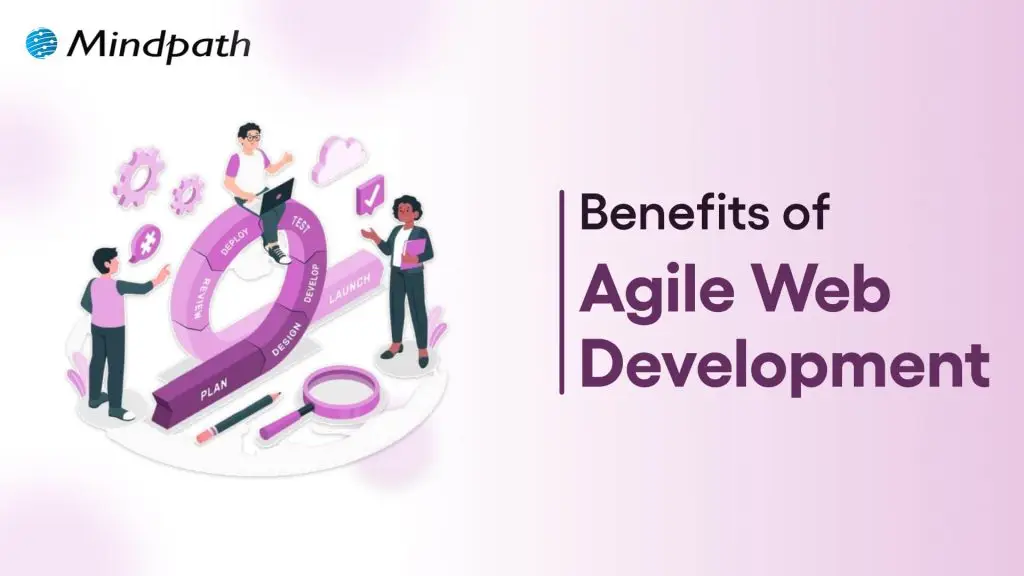
Breaking Down CI/CD Pipelines: How They Revolutionize DevOps

Join our Newsletter!

Featured Posts

Support Is One Click Away

Home

Breaking Down CI/CD Pipelines: How They Revolutionize DevOps

CI/CD Pipelines

Breaking Down CI/CD Pipelines: How They Revolutionize DevOps

Continuous Integration and Continuous Deployment (CI/CD) pipelines have revolutionized modern DevOps best practices. In fact, they are the backbone of DevOps in recent years. CI/CD pipelines allow teams to release high-quality software faster and more reliably. This is possible because a CI/CD pipeline can automate the key stages of the software development lifecycle.

CI/CD Pipelines have empowered software teams and developers like never before. You need to have an in-depth understanding of what is CI/CD in DevOps, as it has been acting as a game-changer. In the business context, a CI/CD Pipeline allows faster product releases and creates value by reducing costs and streamlining the overall development process. It is time to explore what is CI/CD pipeline at a deeper level.

Want to reduce deployment delays and boost business efficiency? Mindpath’s DevOps Consultation and Implementation services streamline DevOps processes to deliver smooth and scalable software delivery.

An Insight into CI/CD Pipeline

CI,CD pipeline full form is continuous integration and continuous deployment. A CI/CD pipeline refers to a series of steps that software developers need to follow so that they can deliver a new version of a software solution. CI/CD pipelines can also be defined as the practice that focuses on improving software delivery throughout the software development lifecycle. It has been transforming the software development process through automation.

CI/CD pipeline introduces automation throughout diverse stages such as development, testing, production, and monitoring.  Teams are in a position to develop top-quality software in a fast and secure manner. The automated testing process allows the identification of dependencies and other issues at an early stage, thereby saving valuable time later. 

Ready to maximize the impact of your CI/CD workflows? Explore the benefits of DevOps to understand how it boosts performance, reduces errors, and accelerates releases.

Mechanism of CI/CD Pipeline

Now that you know CI,CD pipeline full form, and its meaning, it is time to explore its underlying mechanism. The insight can definitely help you understand how a CI/CD pipeline works. To understand how it works, you need to bear in mind that there exist three interrelated methods, including Continuous Integration, Continuous Delivery, and Continuous Deployment.

1. Continuous Integration

Continuous Integration refers to the process of fusing changes to code into a shared repository several times a day. An automated system is responsible for building the app and running tests every time the developer works on the code. CI fundamentally encompasses automated unit tests and static code analysis.

The fundamental goal at this stage is to discover issues relating to integration. In the absence of continuous integration, bugs may surface after multiple changes have been made at the time of a major release. This makes it challenging to find as well as fix them. Continuous Integration minimizes the specific threat by performing tests of every minute change in an isolated manner. 

2. Continuous Delivery

Continuous delivery lays emphasis on the automation of the process that takes place after the code passes the CI stage. CD prepares each change for release so that the deployment can be done smoothly to production at a given time. In the case of a CD pipeline, after the verification of the build, it is moved through the staging environment as well as the pre-production environment in an automatic manner.

It is essential to bear in mind that continuous delivery does not involve the deployment of code to production in an automatic way. The codebase is kept in a deployment-ready state so that software development teams will be able to release as per their need or convenience. CD enables organizations to release software more regularly. 

3. Continuous Deployment

Continuous deployment is responsible for automatically releasing code changes to end-users after passing a series of predefined tests. These predefined tests could be integration tests that test code in a copycat environment and help to ensure code integrity.

This automated process of releasing software code changes directly to the production environment after they have passed all the necessary automated tests eliminates the need for manual intervention. It enables teams to deliver updates and new features to users quickly. It also helps to fix bugs fast. Basically, it accelerates the feedback loop with customers and minimizes the risk relating to large and infrequent releases.   

Looking to understand how CI/CD pipelines are becoming smarter and more efficient? Check out the role of AI in DevOps to learn how automation and intelligence are transforming pipeline performance and reliability.

Key Benefits of CI/CD Pipeline

Now that you know what is CI/CD pipeline it is time to look at some of its key benefits. CI/CD pipeline benefits allow software teams to develop software in an agile manner while ensuring quality. Some of the top benefits include:

1. Faster Time to Market

One of the main benefits of CI/CD pipelines is that teams are able to deliver new features and fix bugs for users faster as well as more often. In fact, this is how major tech giants have been making incremental improvements in their products and creating value for their target market audience. 

With the help of CI/CD tools in DevOps businesses are able to quickly respond to user feedback and develop quality software apps. A typical CI/CD pipeline example automates the build, test, and deployment of a web application, thereby ensuring that the software is introduced in the market in a timely manner. 

2. High-Quality Codes

While releasing software, the role of proper testing is of paramount importance. Now that you know what is CI/CD in DevOps, you can say that high priority is given to testing. A central part of any CI/CD pipeline involves a series of automated tests that are run on every build. 

Automated tests ensure that teams can perform tests in a continuous manner, and the quality of software solutions can be maintained. The automated nature of tests plays a key role in enhancing the quality of code that is generated. 

3. Shorter Feedback Loops

While talking about the CI/CD pipeline example, a thing that is non-negotiable is rapid feedback. Getting feedback early ensures that teams can save sufficient time as well as effort while developing software applications. Teams are able to give frequent updates, which helps in receiving immediate feedback from the users. It thus helps to bring about appropriate changes and increase user satisfaction. 

4. Less Downtime

Even with automated testing, there is a possibility that bugs may sometimes sneak their way through production. A key benefit of using CI/CD tools in DevOps and making regular updates is that it makes it easier to locate the cause of an issue. As the commits are smaller, teams and developers can roll back the change without having to remove necessary elements. This certainly simplifies how issues are fixed and reduces the overall downtime. 

5. Better Communication and Collaboration

One of the main benefits of CI/CD pipelines revolves around improved communication and collaboration among team members. This practice enables members to function in a cohesive manner and make changes to the code. They can also respond to the queries and comments of one another in a transparent manner. The ongoing feedback loop makes sure that there is no communication gap among the team members. The rise in effectiveness in team collaboration is reflected in the ultimate software solution. 

Wondering how CI/CD pipelines are evolving in modern DevOps practices? Discover the latest DevOps trends to learn which tools, methodologies, and innovations are driving smarter and more reliable pipelines.

Final Words

In the prevailing software development arena, the concept of CI/CD pipeline has emerged as a breath of fresh air. It has shown the power that automation can bring while developing software solutions. Some of the key benefits of CI/CD pipelines that you should be aware of include high-quality code, faster time to market, and many more. The explanation of the underlying mechanism of the CI/CD pipeline is there so that you can understand how the process works. 

Mindpath’s top-grade DevOps solutions can certainly assist modern business organizations to leverage CI/CD pipelines to the fullest. Our experts will ensure that, through continuous integration and continuous delivery, your business can develop excellent software applications that can improve user satisfaction. 
Related Post

AI drives hyperpersonalization with smarter recommendations, chatbots, and tailored marketing to boost customer experience and growth.

Related Post

AI in E-commerce

Have you ever wondered how some online stores seem to know exactly what you want? What if your shopping experience could be personalized just for you, making it faster and easier than ever? As AI continues to evolve, it’s transforming e-commerce in ways we never thought possible. How is this technology changing the way we shop, interact with brands, and make purchases? In this blog, we will explore how AI is reshaping e-commerce and what it means for the future of online shopping. 

The term artificial intelligence, or AI, describes computer programs created to carry out operations that normally call for human intellect. This includes understanding speech, decision-making, and pattern recognition. Artificial Intelligence (AI) comprises several technologies, including natural language processing (NLP), deep learning, and machine learning. 

Artificial intelligence (AI) plays a key role in e-commerce today, revolutionizing how firms run and connect with customers. E-commerce companies can employ AI to better make decisions and improve the entire buying experience by using user data. AI is a vital tool in the rapidly changing world of e-commerce since it helps online companies remain competitive and adapt to shifting customer requirements. 

Want to know more? Let’s dig in! 

How is AI Transforming E-commerce?

1. Automating Customer Help

Chatbots and virtual assistants are fantastic for offering customer care online. They make use of artificial intelligence (AI) to determine the needs of customers. Natural language processing (NLP) is the ability for chatbots to understand queries and requests. They learn and become more skilled at serving clients as they engage with them more. 

Chatbots are a great resource for customers and online retailers alike. They never require a break and are constantly accessible, even late at night. They are polite, calm, and typically know the answers to a lot of queries. They take care of basic questions so that human agents can concentrate on more complex problems. Recent advancements in AI have made chatbots even more intelligent, which gives customers greater confidence when interacting with them. Many customers are willing to purchase goods from chatbots, particularly since some of those can offer exclusive offers just for them. 

2. Reducing Manual Work

Artificial intelligence (AI) is revolutionizing e-commerce by replacing routine everyday operations that usually call for human labor. This change lessens the need for a big workforce while enabling organizations to run more effectively. 

While it is unfortunate that automation can result in the loss of certain retail associates, many businesses believe artificial intelligence (AI) offers more opportunities for cost savings and productivity gains. Businesses can optimize their processes and lower human error by entrusting AI with routine jobs. Over time, this can result in clients receiving faster service and having a more responsive purchasing experience. So, adopting AI will ensure that employees can participate in more meaningful ways and help e-commerce businesses prosper in a competitive marketplace. 

3. Preventing Online Fraud

E-commerce businesses face a serious threat from online fraud, which costs them billions of dollars annually. Thankfully, AI offers sophisticated methods to address this issue. Machine learning algorithms have made the task of manually reviewing transactions for unusual patterns, which once required a large number of personnel, faster and simpler. 

To identify suspicious activity, these algorithms can instantly evaluate millions of data points. An AI system can detect abnormalities rapidly, such as when someone tries to commit fraud by inputting the wrong delivery address and flags the entry for evaluation.  E-commerce companies can drastically lower financial losses and safeguard both themselves and their clients from fraud by utilizing AI for fraud detection. This makes everyone’s online buying experience safer. 

4. Smart Recommendations

AI-driven recommendations raise the bar for personalization in online shopping. AI is able to examine a customer’s browsing history, previous purchases, and even their interactions with items, unlike traditional businesses. This makes it possible for AI to make tailored product recommendations and anticipate what a buyer might be interested in. 

Customers will find shopping easier and more fun thanks to these very accurate recommendations that are customized to everyone’s tastes. AI helps buyers find the proper items by making relevant suggestions; this increases the likelihood of a purchase and improves the entire shopping experience. Brick and mortar establishments are just unable to match this level of customization. 

5. Easy Cross-Selling

AI enables e-commerce companies to provide customers with product recommendations while they buy. AI can employ their past purchases and preferences to suggest relevant products that customers might like to add to their basket while they are checking out. Businesses can more easily provide appropriate ideas by deploying AI-powered recommendation engines, which leverage data on frequently purchased goods. Customers are encouraged to purchase more as a result, increasing revenues through upselling and cross-selling without being intrusive.

6. Personalized Shopping

Personalization is essential in e-commerce to provide a customized purchasing experience for each unique client. Customization strengthens the bond with clients, encouraging loyalty and improving the pleasure of buying. Personalized experiences are increasingly expected by many customers, but not all merchants have completely integrated them into their platforms. 

AI has greatly enhanced the personalization of e-commerce by analyzing vast volumes of user data and providing real-time insights. This enables websites to function as personal shopping advisors by making product recommendations and presenting customized discounts. Through customization of the purchasing experience, businesses can raise revenue and establish enduring bonds with their customers. 

AI Development Services at Mindpath

At Mindpath, we offer AI development services that help businesses use the power of artificial intelligence to improve their operations. Our team creates AI solutions tailored to your needs, whether it’s automating tasks, analyzing large amounts of data, or improving customer experiences.  We use advanced AI technologies like machine learning and natural language processing to build smart systems that can make decisions, learn from data, and solve complex problems. With Mindpath’s AI development services, your business can become more efficient, make better decisions, and stay ahead of the competition in the fast-changing digital world. 

Wrapping Up!

Artificial Intelligence is rapidly transforming the e-commerce landscape, making shopping experiences more personalized, efficient, and secure. From automating customer support to offering personalized recommendations, AI has become an essential tool for businesses looking to stay competitive and meet evolving customer expectations. As AI technology continues to advance, its impact on e-commerce will only grow, offering endless possibilities for innovation and enhanced customer satisfaction. Partner with Mindpath today to leverage AI’s power and drive your e-commerce success into the future. 

Ready to transform your e-commerce business with the power of AI?

At Mindpath, we specialize in creating intelligent solutions tailored to your needs.

Transform your e-commerce business with AI solutions from Mindpath. Enhance customer experience, boost efficiency, and drive growth with smart technology.
ai in web development

Have you ever pondered if machines could design, code or even personalize user experiences better than humans? Sounds like a dream, right? Well, this isn’t a dream anymore, it is the power of Artificial Intelligence. You heard it right; artificial intelligence is becoming a powerful tool in web development in today’s digital world. Want to know how AI in web development can be beneficial for you? From accelerating development to building smarter sites, AI is quietly revolutionizing the construction and experience of digital platforms. 

But what does this revolution look like? And why are businesses and developers embracing AI more than ever? The answers may surprise you. Stay tuned as we uncover the ways AI is transforming the future of web development! 

Are you ready to elevate your website? Contact us for top-notch AI development services and we will bring your AI-driven web vision to life. 

Role of AI in Web Development

AI in web development refers to the use of artificial intelligence for building websites, faster, smarter and easier to manage. It can help with a lot of things such as writing code, fixing bugs and even assisting with the design. AI can be used in web development to save time, reduce errors and create personalized websites. By leveraging AI, developers can avoid doing repeated tasks and focus on more important things. It can find errors, accelerate things and also help users get their requirements faster.

AI plays a major role in making websites better by suggesting designs, writing parts of the code and even testing how well a website works. Once the site goes live, AI can watch how people use it and make things smoother. Now you must have got a good idea about AI in web development. Let us also learn about some of its benefits: 

Also Read: Benefits of AI

Benefits of AI in Web Development

AI is simplifying website creation for everyone. It assists with coding, designing, and even communicating with users. If you’re creating a website or just beginning, AI can help you save time and get things to work more efficiently. Here are some easy ways it can actually help.

Benefits of AI in Web Development

1. Smarter Coding and Testing

The powerful combination of AI and web development can help developers to write cleaner codes by spotting bugs early and improving how the code works. With deep learning, AI-based tools also facilitate automated testing, which assists quality assurance teams in verifying whether the website functions correctly. Although some problematic areas continue to require manual testing, AI streamlines the process and reduces costs. That’s one of the reasons why QA and testing budgets have declined over the past few years, and why more individuals are using AI websites for improved results. 

2. Smooth Website Development

AI in web development handles mundane and time-consuming work so developers can concentrate on the larger aspects of a project. With smart tools and data-driven choices, the entire web development process becomes more efficient and faster. This is incredibly useful, particularly if you’re new to it. By using AI to create websites, you save time and effort while building something awesome and making web development feel less stressful and a lot more efficient from the very start. 

3. Boosts Customer Support

AI in customer service makes it simple to integrate smart chatbots onto websites that are able to engage with visitors’ day and night. These virtual assistants comprehend questions and respond in natural, friendly terms. They provide instant answers, resolve issues rapidly, and never require breaks. This allows owners of websites to assist users without requiring a support team full-time. It’s an easy method to ensure visitors are satisfied and that they always receive assistance, even when there is no one present. 

4. Cost Effective and Personalized Experience

With the help of AI tools, websites are now able to provide customers with a more personalized and seamless experience at reasonable costs. Work that required time can now be processed automatically, saving time for both users and website owners. AI also assists in identifying fraudulent or toxic activities, protecting users. This is why many top AI websites utilize intelligent features to serve customers better. Ultimately, AI assists in providing more value to the customer at a low cost. 

5. Effortless Content Management

Website content management becomes a lot simpler with the assistance of AI. Through analyzing user behavior on a website, AI provides clear concepts regarding what type of content users like most. Website owners can develop improved posts, videos, or pages that genuinely interest visitors due to this. With the assistance of AI web templates and smart recommendation tools, you can lead users to whatever they require and retain them for a longer period. It’s an easy way to make content better and make each visit feel more personal.

Is your business making the most of AI to stay ahead of the competition? Explore how integrating AI in your business strategy can optimize processes, drive growth, and improve decision-making.

How to Use AI in Web Development?

Today, web development thrives on the partnership between AI and human expertise. While AI handles repetitive tasks and enhances efficiency, it still relies on human creativity and problem-solving. Here’s how you can use AI in web development to streamline your process and improve results. 

1. Artificial Design Intelligence (ADI)

Artificial Design Intelligence (ADI) assists you in creating a complete website by simply responding to a few simple questions. It selects the most suitable layout, design, and content depending on your requirements. It’s like having an intelligent assistant that designs a professional-looking site that reflects your style and objectives. This AI website generator makes the process fast and efficient, ensuring you get the site you want with minimal effort.  

2. Search Easier with Voice Assistants

Rather than typing and reading lengthy pages, users can simply speak their question. Voice AI listens, the correct answer quickly, and voices it back. Voice AI assists websites in providing rapid and clear responses, speeding up searches, making it easier, and more accessible to all. 

3. Coding Assistants

Developers can use smart coding assistants to speed up their work. These tools suggest code, spot errors, and help build websites faster. Even when working on big ideas, they take care of the small stuff. It’s like having a smart helper while writing your code. 

4. Personalize User Help with Chatbots

AI chatbots make it easy for users to get the info they need. They can ask questions in simple language, and the bot instantly provides answers or links. The benefit of chatbot is that it provides fast, accurate responses, making the experience more personal and efficient by using the website’s content.

5. Easy Search Engine Optimization (SEO)

AI can make SEO much easier by providing the best keywords, topics, and headlines for your content. It can even write parts of your text, ensuring the right keyword density for better search engine rankings. This helps your website attract more visitors without the hassle of manual research. 

AI is reshaping industries by automating the processes, empowering faster decision-making, and providing data-driven insights. Learn how AI is e-commerce is transforming the future of e-commerce sector.

Ready to Transform Your Website with AI?

AI is changing web development by making tasks faster and more efficient. From designing and coding to improving user experience, AI helps developers focus on what truly matters. By integrating AI, your website can become smarter, more personalized, and easier to manage for everyone involved. 

Mindpath offers top-tier AI development services and delivers high-performing artificial intelligence solutions that enhance your website’s design, performance, and functionality. Our expert team utilizes AI tools to streamline processes, boost user experience, and create custom solutions.  

Frequently Asked Questions

1. Is AI in web development suitable for small businesses and startups?

Yes, AI in web development is highly suitable for small businesses and startups. It helps reduce development costs, automate repetitive tasks, and speed up website launches. Even with limited resources, businesses can build professional, scalable, and user-friendly websites without needing a large technical team. 

2. Will AI replace human web developers in the future?

No, AI is designed to assist, not replace, web developers. While it can automate coding suggestions, testing, and design support, human creativity, strategy, and problem-solving remain essential. Developers use AI as a productivity tool to work faster and more efficiently, not as a substitute for expertise. 

 3. How secure are AI-powered websites?

AI-powered websites can be highly secure when properly configured. AI tools can detect unusual behavior, prevent fraud, and monitor vulnerabilities in real time. However, security also depends on proper development practices, regular updates, and human oversight to ensure strong protection against evolving cyber threats. 

 4. How does AI in web development improve user engagement?

AI in web development enhances user engagement by analyzing visitor behavior and delivering personalized content, recommendations, and experiences. It can adjust layouts, suggest relevant products or articles, and provide instant support through chatbots, making interactions more meaningful and increasing the chances of conversions. 

 5. What skills are needed to start using AI in web development?

To start using AI in web development, basic knowledge of programming, APIs, and web frameworks is helpful. Familiarity with AI tools, automation platforms, and data analysis can be beneficial. However, many modern AI platforms are beginner-friendly and require minimal technical expertise to get started. 

Saas trends

The landscape of Software as a Service (SaaS) is changing faster than ever. As all businesses are now adopting the cloud-first approach, SaaS tech leaders should stay ahead of SaaS trends to remain innovative and competitive.

Current market trends can help service providers to know about the Saas challenges and come up with feasible solutions to tackle them. Whether you are investing in a SaaS technology, scaling your development strategy, or leading SaaS projects, these 14 SaaS trends will help you understand the market and what approaches you should consider to remain competitive.

Want to stay ahead of your competitors by using the latest Saas technologies in your business? Mindpath offer SaaS devlopment services to receive customized solutions that help you innovate faster and smarter.

The Rising Popularity of SaaS Technologies

SaaS has emerged as a dominant force in today’s digital landscape. It is transforming the way businesses deploy, access, and scale their software programs. With time, the popularity of SaaS platforms continues to rise across all industries. And some major reasons behind this are:

  • Businesses don’t have to worry about local installations and get instant access to solutions.
  • SaaS is scalable, and businesses can adjust usage without investing in the IT infrastructure.
  • Subscription models lower expenditure, making it accessible to all, including startups and SMBs.
  • Deployment, upgrades, and maintenance are handled by the service providers.
  • SaaS is highly beneficial to support the remote teams and provides access to necessary resources in real time.
  • SaaS platforms have the ability to integrate with existing workflows and systems.

SaaS service providers enable businesses to be customer-centric and agile. However, to remain competitive, these service providers have to keep up with innovation and adapt their platforms to the changing market demands.

Planning to build a scalable SaaS product but unsure how to choose the right development partner for your needs? Explore our guide on choosing the right SaaS development services to discover key factors that ensure long-term success.

The optimal way to attain that is by adhering to the trends arising in the SaaS market. Read to explore those trends.

14 SaaS Trends Driving the Future of SaaS

Now that we have unpacked SaaS’s impressive benefits, let’s uncover the SaaS trends that are redefining the landscape of SaaS technologies. Here is what is driving the next big wave of SaaS innovation.

1. API-First Architecture – The New Standard

Most modern SaaS projects now opt for API-first design since it can integrate third-party services and tools without any difficulty. It can assist in increasing flexibility and scalability as well as developer experience. Besides, this approach will simplify the process of creating custom workflows.

2. Edge Computing and SaaS

With the help of edge computing, the SaaS platforms can process data closer to the source. This, in turn, reduces latency while enhancing performance. It is quite helpful in real-time analytics, logistics, and IoT.

Through edge capability integration, SaaS solution providers can enhance security, offline functionality, and responsiveness.

3. AI-Powered SaaS Solutions

Artificial Intelligence has become a necessity. Most SaaS platforms are now embedding AI to personalize user experiences, automate workflows, and offer predictive insights. It has also enabled accurate fraud or risk detection.

SaaS platforms that are lacking intelligence are losing relevance. After all, customers want more than just task automation. They want tools that can anticipate requirements and support their decision-making.

Curious about how AI can transform your SaaS strategy and drive smarter business decisions? Discover our detailed guide on the benefits of AI to explore how it enhances efficiency, innovation, and growth.

4. Changes in Subscription Models

SaaS pricing is now shifting from the monthly packages to hybrid, freemium, and usage-based models. Some are also available with outcome-based pricing models. Such flexible pricing structures have helped service providers to improve retention and customer value.

As these platforms evolve, businesses significantly benefit from personalized pricing. On the other hand, providers get deep insight into product engagement and user behaviour.

5. Enhanced Privacy, Compliance, and Security

Trust is an important asset. The customers believe that service providers are safe and in compliance. But that trust can be hampered with just a single instance of data breach or GDPR conflict. Thus, SaaS providers should focus on the use of zero-trust frameworks and advanced encryption.

Besides, the deployment of automated compliance tools can help a lot here. Furthermore, they should keep themselves updated about evolving regulations such as DORA, HIPAA, GDPR, and PDPL.

6. Vertical SaaS

SaaS development companies are now going niche. Why? Well, generic SaaS tools may not help users with industry-specific needs, workflows, or regulations. They are launching SaaS technologies for specific industries like finance, education, or healthcare.

Vertical SaaS platforms are significantly influencing the future of SaaS by offering tailored compliance, deep domain expertise, and flexibility. The vertical SaaS market is expanding, and it is forecast to reach USD 263420 million by 2031 (Source: Market Monitor Global)

7. Micro-SaaS Solutions

Micro-SaaS businesses typically have a narrow focus on use cases and develop add-ons for big SaaS platforms. They are agile, quick to launch, and lean. Micro-SaaS businesses offer highly targeted solutions, with their flexibility supporting rapid adaptation to changes. They are best suited to deal with overlooked issues in various saturated SaaS markets.

Must Read: Conversational AI Chatbots

8. Conversational UX Will Be a Game Changer

The interface of SaaS platforms is evolving rapidly, with chat-based navigation, natural language processing, and voice assistants. These features increase accessibility and user engagement.

This is one of the vital SaaS trends that most SaaS providers have adopted, making their software interaction feel more human-centric. This trend has become a core component of SaaS development.

9. RevOps

Speaking of the most significant trends in SaaS, we cannot omit the emergence of Revenue Operations (RevOps). It unifies marketing, customer success, and sales into an AI-powered platform. These tools provide SaaS companies with end-to-end visibility.

This means that the retention, forecasting and profitability can be easily enhanced. For instance, the advanced lead scoring system in the RevOps tool can help sales teams focus on prospects who are more likely to convert.

10. Blockchain Integration in SaaS

It is undeniable that blockchain is quickly changing the SaaS market by introducing decentralized, secure, and transparent data management. Other use cases that we may take as an example are encrypted transactions, smart contracts, and identity verification.

The adoption of blockchain in SaaS applications provides better trust, compliance, and traceability. This is essential for legal, healthcare, and finance SaaS providers who aim to have better data integrity.

Looking to accelerate your SaaS development process without heavy coding efforts? Explore our guide on low-code platforms to discover how they enable faster development and greater flexibility.

11. Low-Code/No-Code Platforms

The low-code and no-code approach is one of the most popular trends in 2026, as it can support easy and fast development. SaaS providers are also supporting this move. In fact, they are also integrating this into their platforms.

Why? In a world where speed matters, allowing non-technical teams to create their own tools can help unlock a new level of productivity. The workflow of finance, operations, and HR teams can be automated with a couple of clicks.

12. Business Intelligence and Predictive Analytics

SaaS platforms are now using predictive analytics to predict market trends, customer behavior, operational risks, and more. This helps businesses to make data-driven decisions faster than before.

Service providers have realized that business intelligence has become a crucial asset. They are optimizing it to enable businesses to enhance performance.

13. Sustainability-Focused Solutions

Sustainability-focused SaaS, or green SaaS, is now gaining traction as organizations are prioritizing eco-friendly options. Carbon tracking, cloud efficiency, and sustainable hosting are leading this transformation.

These trends in the SaaS industry reveal growth in the demand for ethical solutions. And the future of SaaS will be based on how it is aligned with long-term business sustainability and environmental responsibilities.

14. Localization and Globalization of SaaS Tech

It has been seen that SaaS service providers are now expanding globally, and they are also localizing compliance, customer support, and content. By offering region-specific features and multilingual interfaces, they are enjoying continuous international growth.

SaaS companies are evolving and scaling their platforms across multiple geographies while offering all the necessary elements.

Curious how SaaS innovations are evolving to support more efficient and future-ready business operations? Explore our guide on sustainable technology to discover how eco-friendly approaches are shaping the next generation of SaaS solutions.

The Next Chapter in SaaS Innovation and Growth

Well, the current trends are looking really impressive, establishing a solid foundation for SaaS market growth. But what will happen after 2025? Well, predicting the future of SaaS technologies is a little difficult. However, the direction of the journey is clear: SaaS is becoming more intelligent, ambient, and embedded.

New technologies like quantum computing, Zero-UI, blockchain, etc., will bring massive changes in this landscape. For instance, quantum computing will force developers to rethink SaaS security models. On the other hand, Zero UI will lead to enhanced user engagement by offering interfaces powered by context, voice, and predictive behavior.

What’s more? There will be an increasing focus on regulation, privacy, and sustainability. SaaS leaders who thrive will not be the ones who just predict the future, but those who design for resilience and volatility.

Ready to Leverage the Latest SaaS Trends for Your Business Growth?

SaaS is evolving rapidly with trends like AI integration, API-first architecture, and predictive analytics shaping its future. Businesses that adapt to these innovations can improve efficiency, enhance user experiences, and stay competitive in a fast-changing digital landscape.

At Mindpath, we provide expert SaaS development services to help businesses adopt the latest technologies and build scalable, secure solutions. From strategy to deployment, our team ensures innovation and performance. Partner with us to accelerate your SaaS journey.