The Future of AI: How AI is Transforming the World 

Join our Newsletter!

Featured Posts

Support Is One Click Away

Home

The Future of AI: How AI is Transforming the World 

future-of-ai

The Future of AI: How AI is Transforming the World 

Have you ever wondered to yourself what the future of AI is going to look like? AI will affect how people will live and interact with technology. AI is incorporated in all daily activities, whether that is assisting in a task, giving suggestions, or helping create a seamless process. As technology advances and matures, it will change the way people think, the way people work as well as the decisions people make.  

The future with artificial intelligence certainly has the potential to transform everything from how we communicate and learn, to problem-solving and creativity. The benefits of AI are enabling people to make better decisions, manage time, and explore scenarios like never before. So, what does this growing presence of AI mean for how the world operates? And how might the future of artificial intelligence cultivate the future we are heading towards? In this post, we will explore how AI in a whole new way is changing how we operate in the world. 

Curious how AI can revolutionize your business? At Mindpath, we deliver cutting-edge Artificial Intelligence Development Services to help you innovate and grow. 

The Evolution of Artificial Intelligence (AI)

Artificial Intelligence (AI) refers to the work of developing computer systems that can carry out human-like functions that usually require human intelligence, like learning, problem-solving, and decision-making. In the end, it is making machines that work like people. In today’s world, the use of AI has become normal. You can see the impact of artificial intelligence in homes, schools, and workplaces.  

The artificial intelligence story began in the 1950s as a result of Alan Turing and his idea about machine thinking. In the 1960s, research and early AI development continued to evolve with John McCarthy’s work on the LISP programming language, a powerful language that increased early AI research. During the 1970s and 1980s systems were developed based on rules (known as expert systems), which set the stage for the eventual widespread use of AI.  

By the 1990s, AI began data-driven learning instead of following a strict set of rules. This transformation indicated the beginning of machine learning and neural networks made AI accessible to new areas like language processing and robotic applications for personal and industrial use. Therefore, using models such as GPT-3 and GPT-4, people are currently using AI in more creative and practical ways which generates powerful representations of what artificial intelligence means to us. 

Must Read: AI for Customer Services

The Impact of AI on Future

Artificial intelligence is becoming a key part of the future, with its growing role in daily life and global progress. As technology advances, we can already see AI transforming the future through smarter systems, faster decisions, and improved services. Here are some important areas where artificial intelligence is shaping what comes next.

1. Empowering Human Creativity

AI is taking over routine and repetitive tasks, giving people more time to focus on creative thinking and emotional intelligence. This leads to more meaningful jobs and greater fulfillment at work. Generative AI tools now help writers, designers, and developers move faster with fresh ideas. RAG techniques also improve the quality of AI-generated content. This marks a powerful shift in how people work and innovate.

2. Smarter Decision-Making Ahead

AI in decision-making helps process large amounts of information quickly, offering insights that humans might overlook. This leads to better decisions in areas like personal finance, education, and health. AI agents are becoming more advanced, supporting real-time choices with logic and learning. They’re able to adapt and respond in changing environments. This is a glimpse into how artificial intelligence will change the world.

3. Personalized Education Experiences

AI systems can customize educational paths for each student, improving learning outcomes. These platforms offer real-time feedback, progress tracking, and tailored content. With multimodal AI, students can now learn through text, images, audio, and even interactive content. This enhances understanding and makes learning more engaging. These smart tools are clear future of AI examples already reshaping classrooms.

4. Building a More Inclusive World

AI is helping people with disabilities by providing real-time support tools like voice commands and screen readers. Multimodal AI systems enhance accessibility by understanding both speech and visual cues. This leads to more independence and easier access to services. Inclusive tech design is becoming a priority across sectors. These innovations reflect a growing bond between artificial intelligence and future equity.

Ready to stay ahead of your competitors to build a unique identity in the market? Explore how conversational AI is helping businesses to achieve smarter operations, stronger customer engagement, and sustainable growth.

5. Driving Sustainable Innovation

AI in business strategy plays a growing role in protecting the environment by predicting climate patterns and reducing waste. Digital twins are being used to test and simulate sustainability strategies safely. These models help industries make smarter, more eco-friendly decisions. AI systems also support energy efficiency and cleaner production. Technology is becoming a vital part of building a sustainable planet. 

6. Advancing Safety and Security

AI helps monitor public areas, detect threats, and respond to emergencies. In cybersecurity, it can identify unusual behavior and stop attacks in real time. AI-powered tools work constantly to secure data and systems. As digital threats grow, AI’s role in safety becomes more critical. These AI trends will shape safer environments both online and offline. 

7. Making Services Instantly Accessible

AI assistants and chatbots are helping people access answers and services instantly. These tools are improving with better voice understanding and faster responses. AI literacy is becoming important as users interact more with these systems. The trend is helping people become more confident using technology daily. This also marks a major step in the future of AI in business.

8. Redefining Innovation Through Collaboration

AI is evolving into a true partner in creativity and problem-solving. Generative AI and AI agents now work side-by-side with humans on design, research, and product development. This leads to faster innovation and new discoveries. These collaborations go beyond automation; they spark new ideas. This is the heart of innovation powered by smart technology. 

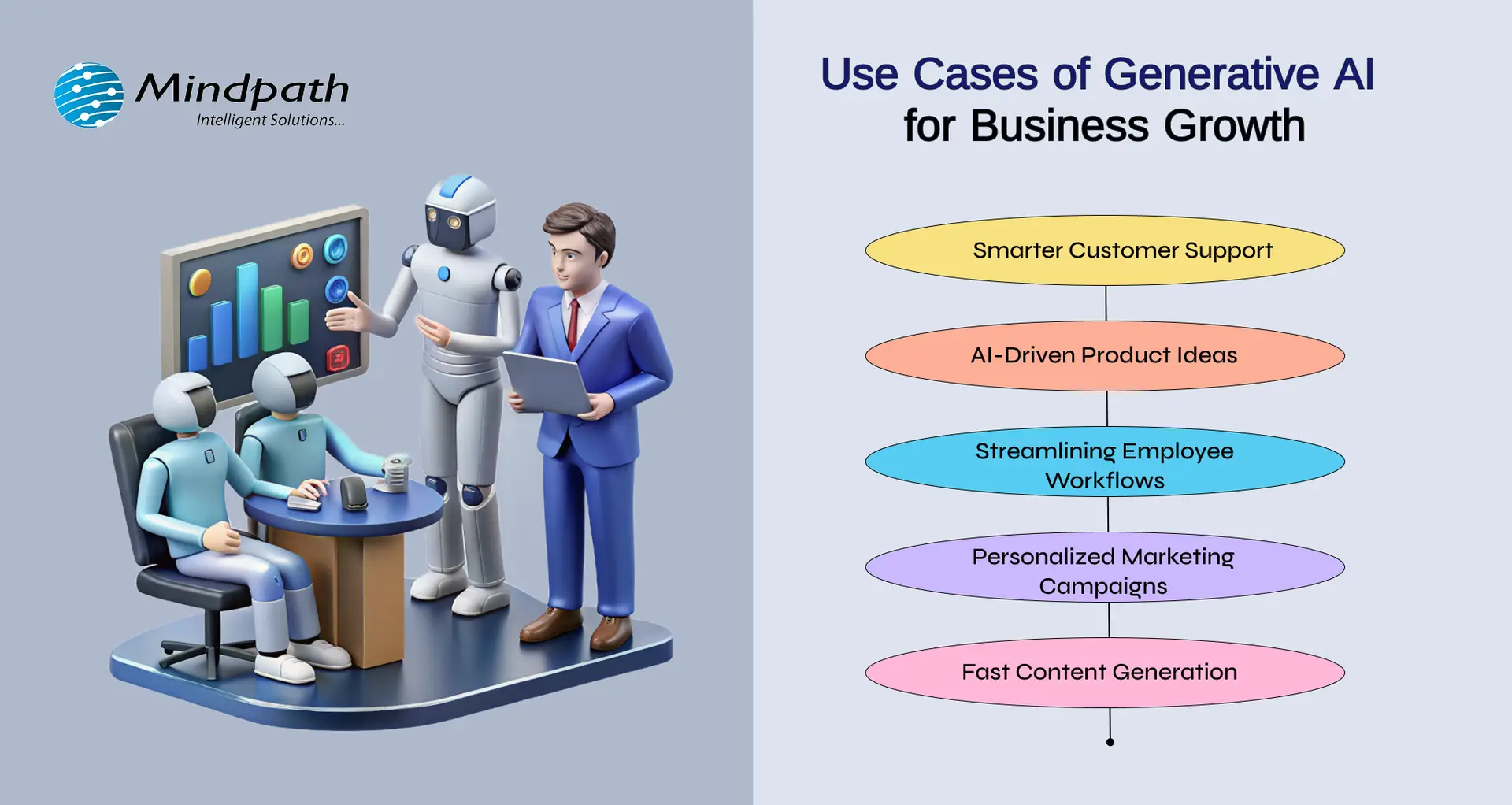
Curious to know how Gen AI is transforming multiple sectors? Explore our blog on generative AI use cases to discover how businesses are evolving, growing, and creating opportunities in the fast-paced world.

Strategic Approaches to an AI-Driven Future

Artificial intelligence is rapidly reshaping the way we live and work. To stay ahead, it’s essential to adopt smart, forward-looking strategies that align with this evolving landscape.

1. Set a Clear AI Vision

Identify where AI can add the most value to your goals, such as customer service or analytics. Create a step-by-step plan, prioritize key areas, and communicate the strategy clearly across teams.

2. Promote Innovation at Every Level

Encourage different teams to work together and explore new AI ideas through small test projects. Support a culture that treats both success and failure as part of learning and progress.

3. Build and Grow AI Skills

Offer training to help your current team understand and work with AI. Hire skilled professionals and promote continuous learning to stay updated with AI trends.

4. Embed Ethics into AI Use

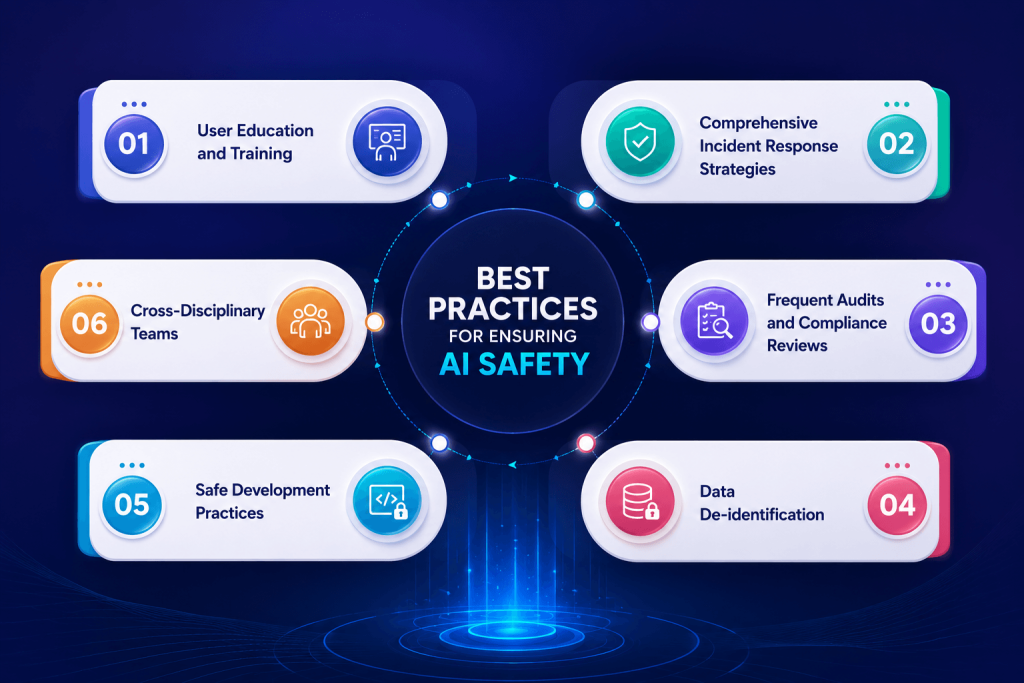
Create clear guidelines to keep your AI systems fair and transparent. Regularly check for bias and support responsible AI use through proper oversight.

5. Evolve with AI Advancements

Keep up with new AI technologies and adjust your strategy as things evolve. Make sure your data is organized, and AI is integrated into key business activities. 

Aiming to leverage the power of artificial intelligence, understanding the technologies that drive it has become a crucial advantage. To dive deeper into the tools and technologies behind AI innovation, explore our detailed guide on the AI programming languages.

Ready to Shape the Future with AI?

Artificial intelligence is not just changing how we work and think; it is shaping the world around us in powerful ways. As AI continues to grow, it brings smarter tools, more creative opportunities, and better decision-making for individuals and businesses. The future will belong to those who embrace these possibilities early.

At Mindpath, we offer expert AI development services to help you harness the power of artificial intelligence in your business. Our team builds smart, scalable, and ethical AI solutions that drive growth and innovation. Whether you’re starting small or scaling big, Mindpath is your trusted technology partner for an AI-ready future. 

Frequently Asked Questions

1. What makes AI a long-term transformative technology rather than just a trend?

AI continuously evolves by learning from data and improving its performance over time. Unlike static technologies, it adapts to new information and use cases. This ability to scale, learn, and integrate across systems makes it a foundational technology shaping long-term global progress.

2. How does AI balance automation with the need for human involvement?

AI handles data-intensive and repetitive processes, while humans provide judgment, context, and ethical oversight. This balance ensures decisions remain accurate yet responsible. The combination strengthens outcomes by merging computational efficiency with human reasoning and accountability.

3. Why is data quality important for the future success of AI systems?

AI systems rely heavily on data to learn and make predictions. Poor or biased data can lead to inaccurate or unfair outcomes. High-quality, well-structured data ensures reliable insights, better performance, and trustworthy results, making it a critical factor in successful AI adoption.

4. How is AI contributing to more sustainable and efficient systems?

AI improves efficiency by optimizing resource use, reducing waste, and predicting outcomes more accurately. It enables better planning and smarter operations, which support sustainability goals while maintaining productivity. This makes AI an important tool for long-term environmental and operational balance.

5. What role does continuous learning play in adapting to AI advancements?

As AI technologies evolve rapidly, continuous learning helps individuals and organizations stay relevant. Keeping up with new tools, methods, and ethical practices ensures better adoption and usage. This approach builds confidence and supports long-term success in an AI-driven environment.

Related Post

Hire skilled Node.js developers in Canada with expertise in scalability, security, and compliance. Find the right talent with Mindpath!
Discover the top Node.js trends shaping digital technology in 2024, from AI and TypeScript to IoT and cloud computing. Explore how Node.js drives innovation!

Related Post

Node.js Use Cases for Businesses

The fast-paced digital landscape has pushed businesses to think of all possible ways to build fast and reliable apps that can manage heavy traffic. You should learn about Node.js use cases in web app development and discover examples of how it is transforming modern businesses. Node.js is the driving force behind 6.3 million websites worldwide, indicating that it is a trusted web framework (Source).

The most interesting thing about Node.js is that it is still the top favorite of developers. Why is Node.js standing strong amidst the arrival of new frameworks, languages and runtimes? The biggest reason underlying the popularity of Node.js is that it is still relevant, versatile and more optimized. You should unravel some of the top use cases of Node.js and examples of real-world apps driven by Node.js to understand its true potential.

Want to speed up development while ensuring high performance and security for your Node.js app? At Mindpath, we offer expert Node.js development services who deliver fast, secure, and scalable solutions.

What Makes Node.js Special?

Node.js is the most popular open-source JavaScript runtime that serves as the top pick for creating highly scalable applications. Every example of Node.js used by companies for digital transformation sheds light on its non-blocking, event-driven architecture. It also uses the Google V8 JavaScript engine that helps with compiling JavaScript directly in machine code, thereby facilitating faster execution. Most important of all, Node.js can cater to the full spectrum of development needs for modern applications.

Is Node.js really the top favorite of developers in 2026? According to the Stack Overflow 2025 Developer Survey, 48.7% developers claimed Node.js as their first choice among web frameworks (Source). Developers choose Node.js to create real-time apps with serverless architecture and microservices-based ecosystems. You can find a better idea of why Node.js is the leading backend development framework with insights on its capabilities.

  • Node.js supports the use of JavaScript as the single language throughout the stack to enable easier code sharing and collaboration between teams.
  • The Node Package Manager or npm powers the Node.js ecosystem with more than 2 million packages offering solutions for every need.
  • Node.js can manage simultaneous connections along with faster I/O operations, making it clear why Node.js real-time applications are growing in numbers.
  • The high versatility and low learning curve of Node.js makes it a trusted choice for startups while its performance and scalability attracts big enterprises.
  • The compatibility of Node.js with popular cloud platforms like AWS Lambda helps in achieving cost-effective deployments.

Looking to boost your website’s performance using Node.js? Explore our detailed guide on boosting web performance with Node.js development services to optimize performance and deliver a faster, more efficient user experience.

Unraveling the Key Business Advantages of Node.js

The technical features of Node.js provide a clear impression of how it is one of the top web frameworks. You should also know about the notable benefits that Node.js has to offer for businesses to achieve measurable results.

1. Faster Development Lifecycles

The flexibility to use JavaScript throughout the stack offers the opportunity to accelerate development. Node.js is lightweight and offers a NPM ecosystem, both of which help in developing proof-of-concept quickly. Therefore, Node.js enables faster validation of new ideas before beginning full development. On top of it, faster feature delivery also allows developers to respond quickly to market feedback.

2. Performance that Elevates User Experiences

The outline of Node.js benefits will remain incomplete without discussions about how to delivers high performance. The combination of the V8 engine and non-blocking I/O architecture helps in achieving faster response times aligned with user expectations. Node.js is the top choice to create applications that demand frequent database queries, API calls and file operations. The capability of Node.js to handle multiple concurrent requests makes it the best framework for applications that experience high traffic.

Must Read: Web Scraping with Node.js

3. Scalability to Grow as Your Business Grows

The support for horizontal and vertical scaling is one of the crucial features of Node.js that developers cannot ignore. It supports the addition of more servers or increasing server resources without designing the application architecture from scratch. Therefore, Node.js has become the ideal framework to create applications that can deal with sudden variations in traffic without reducing responsiveness. Node.js also offers WebSocket support and combined with its event-driven architecture, it helps in building applications that require live updates.

4. Reducing Costs throughout the Development Lifecycle

The next reason you can find a Node.js use case for business is the assurance of cost efficiency. With a single language stack, Node.js requires fewer specialists, thereby reducing costs. In addition, Node.js also supports efficient resource usage as applications run with lesser server capacity than apps created with other frameworks. The lower infrastructure requirements play a vital role in reducing hosting costs. Furthermore, faster development ensures competitive positioning and accelerates revenue generation.

Wondering why Node.js has become a preferred choice for high-performance web applications? Explore the full breakdown in our guide on the advantages of Node.js web development and see how it empowers modern businesses.

Which Companies Have Successfully Used Node.js?

The core features and benefits of Node.js showcase why it is still one of the most popular web frameworks in the market. Many readers would want to discover the real-world use cases of Node.js where the framework helped businesses achieve measurable value. You will come across many notable businesses in the world that have successfully used Node.js to address critical challenges.

1. Netflix

Netflix has achieved the status of a global streaming giant with its massive user base spread across different continents. The streaming platform aimed to accelerate its application startup and improve user experiences. It serves as one of the most notable Node.js usage examples as Netflix reduced startup time by 70%. Netflix showed that Node.js is the ideal framework to have a simpler debugging process and improve developer productivity.

2. LinkedIn

LinkedIn is also a frontrunner among renowned companies that have leveraged Node.js to solve real business problems. As a leading professional networking platform with a growing mobile presence, LinkedIn wanted its mobile backend to become more scalable. Node.js helped LinkedIn rebuild the mobile backend, which led to major growth in performance while reducing infrastructure costs. The Node.js mobile backend helped in achieving ten times better performance with significantly fewer servers.

3. NASA

Node.js also served as the ideal tool for streamlining access to mission-critical data for NASA. The traditional approach involved navigating multiple different steps, thereby leading to delays in retrieving mission-critical information. Node.js helped in reducing the number of steps required to access data and enhanced mission efficiency. The way in which NASA uses Node.js proves that the framework is a suitable choice for high-stakes environments.

4. Uber

The search for “what is Node.js with example” also draws the limelight towards the example of Uber. The Uber platform has to deal with millions of ride requests, driver locations and price calculations, all in real-time. With Node.js, Uber could capitalize on core API services that manage the requirements of real-time data processing. The use case of Node.js for Uber reveals that the framework is the best pick for real-time applications with heavy traffic.

5. PayPal

The biggest problem for PayPal revolved around using separate frontend and backend teams, which slowed down development and created communication overhead. PayPal used Node.js to remove all barriers and unified the development stack. The improvement helped in reducing development time by 50% alongside enhancing response times by 35%. The success of PayPal with Node.js proved that the framework can improve developer efficiency and manage large transaction volumes.

The success of companies using Node.js serves as a testament to its effectiveness and showcases how it has transformed modern businesses.

Ready to turn these Node.js use cases into real business results? Discover how to choose the right Node.js development company that truly understands modern business needs.

Final Thoughts

Node.js is no longer another addition to the long list of web development frameworks that you can try for your next hands-on project during training. On the contrary, you will find many big companies using Node.js to resolve critical business challenges. Netflix, Uber, PayPal and even NASA are using Node.js to redefine their digital presence and address pressing backend issues. Node.js is undoubtedly the trusted choice to craft high-performance, scalable and real-time applications.

Mindpath is your trusted destination for Node.js development services, delivered by top experts with years of professional experience. We have excelled in Node.js development with our proprietary workflow that allows us to incorporate the best traits of Node.js in business applications. Our experts create new examples of Node.js applications with special attention to your client requirements and their business goals. Consult with our experts and find the ideal roadmap to create your next big business application now.

FAQs

1. Which applications can you develop with Node.js?

You can make the best use of Node.js in developing real-time applications that require large numbers of I/O operations. The common types of applications that you can develop with Node.js include gaming applications, social media apps, IoT apps and instant messaging apps.

2. What is NPM in Node.js?

NPM or Node Package Manager for the Node.js environment helps with installation, sharing and management of dependencies in applications. The dependencies can be libraries, packages or tools used in JavaScript applications. It leverages a package.json file for tracking project dependencies, scripts, metadata and versions.

3. How does Node.js deliver better results than other backend technologies?

Node.js is preferred over other backend technologies as it guarantees faster performance in tasks that require heavy I/O operations. The NPM creates an extensive ecosystem that helps developers accelerate the development process. Node.js is reliable choice for real-time applications and web developers can easily integrate it into their existing projects.

4. How can you manage large files with Node.js?

The ideal approach to manage large files efficiently with Node.js involves the use of ‘streams’. Developers can use ‘streams’ to process data in small chunks instead of loading the entire file into memory. As a result, developers can achieve better memory efficiency for applications that use large datasets for video files and large data imports.

5. What is the difference between JavaScript and Node.js?

JavaScript serves as a programming language used primarily to develop frontend of web applications. It helps in creating interactive user interfaces. On the other hand, Node.js is a runtime environment that helps developers in using JavaScript on the frontend and backend to develop scalable, real-time applications.

Discover how top companies like LinkedIn, Netflix, and Walmart leverage Node.js for performance, scalability, and faster development. Learn more with Mindpath’s services.
Hire ReactJS developers in California

California has emerged as the focal point of global innovation, alongside being the top destination for all the Hollywood glitz. Business owners in California want ReactJS developers to transform groundbreaking ideas into real-world solutions. If you want to hire ReactJS developers in California, you have found the right post. Let us learn the best way to recruit top-tier ReactJS developers for your next web project.

Are you looking to build modern and scalable web apps in California’s fast-moving, competitive market? Mindpath connects you with expert ReactJS developer in California  who turn your ideas into high-performance digital products.

Understanding the Tech Scene in California

California has become the hub of technological innovation in the world, with unparalleled advantages for different types of businesses. Big tech giants, as well as newly created startups, choose California as the ideal spot for growing their business. With Silicon Valley located in California, the Golden State attracts some of the brightest minds in tech. The job market in California offers promising opportunities to recruit skilled and experienced ReactJS developers.

Business owners want to hire React developer in California to capitalize on new technologies, best practices, and trends. Every business is competing to craft the most appealing user experiences, and there could be no better place than California for the competition. Another notable reason to focus on California is the easier access to various networking opportunities. Hiring managers can find a lot of companies and professionals to take references for finding ReactJS developers.

Missing out on the potential efficiency ReactJS offers for modern web apps? Discover the essential benefits of ReactJS development services to maximize your investment.

Unraveling the Relevance of ReactJS in 2025

Many critics have been advocating the use of new frameworks for frontend development to capitalize on new features. However, it is important to understand why ReactJS is still the top pick of web developers worldwide. How has a framework launched in 2013 managed to stay relevant till now? The distinctive features of ReactJS are the only reason why employers search for ReactJS developers’ hourly rates in California on different platforms. One of the most noticeable features of ReactJS is the component-based architecture, which allows the creation of reusable UI components.

The next prominent feature of ReactJS is the virtual DOM, which helps in optimizing updates, thereby offering a seamless user experience with faster rendering. Unlike other JavaScript frameworks, ReactJS supports optimization for search engines. As a result, your web projects become more visible to your target audience with ReactJS serving visually attractive interfaces and SEO appeal. 

React developers can also make the most of an extensive collection of resources in the globally accessible ecosystem, such as libraries, development tools, and support systems. Another notable reason for the ReactJS developer cost in California is the increasing popularity of React Native. ReactJS developers can use React Native to craft native mobile apps, thereby empowering businesses to have a digital presence on web and mobile platforms. 

Must Read: ReactJS Trends 2025

Important Skills of ReactJS Developers

The primary theme of any guide on hiring React developers should revolve around identifying important skill requirements. Once you identify the essential ReactJS developer skills, you can measure the quality of candidates applying for React developer jobs. Awareness of the important React developer skills also helps hiring managers and employers determine the ideal compensation for developers. Every ReactJS developer must have a combination of the following technical and soft skills. 

1. Technical Skills of ReactJS Developers

The search for answers to “What skills should a ReactJS developer in California have?” will find the first stop at technical skills. React developers should have proficiency in React concepts as well as frontend web development. The core React concepts that a developer must know are props, React Hooks, and state management. ReactJS developers should be fluent in the use of popular state management libraries such as Context API and Redux. 

The list of technical skills of ReactJS developers also includes the fundamental web development technologies, such as HTML and CSS. On top of it, expertise in JavaScript ES6+ specifications is also a mandatory requirement for React developers. ReactJS developers should also know the best practices for using build tools and package managers.

The other important technical skills for ReactJS developers include knowledge of testing frameworks, routing libraries, and UI libraries. Version control with Git is also a mandatory skill of React developers that can promote easier collaboration with other teams. Business owners also look for additional skills like backend development expertise for full-stack roles and fluency in using cloud platforms. 

2. Soft Skills of ReactJS Developers

Employers need developers who are not only technically proficient but also capable of working in their organization. Every organization has a different set of beliefs, values, mission statements, and goals. Therefore, hiring ReactJS developers in California is not all about technical skills only. Hiring managers seek React developers who have soft skills like problem-solving, communication, adaptability, and attention to detail. 

Professional ReactJS developers have to work with a critical mindset and the ability to view problems from different perspectives. Communication skills can help developers capitalize on the support of experts from other teams while fostering collaboration. Adaptability ensures that React developers can cope with new changes while avoiding conflicts with emerging advancements and trends. Most important of all, developers should pay attention to detail to ensure efficient completion of projects. For instance, the ability to identify bottlenecks and errors before full deployment can help save a lot of money.

Seeking a development approach that reduces complexity while enhancing functionality? Read why React Web Development is ideal for modern projects.

Which Hiring Model Should You Choose for ReactJS Developers?

The hiring model or engagement model of a business for ReactJS developers represents the way in which the business uses developer services. The cost of hiring developers in California depends directly on the hiring model you choose for your business. Hiring managers can choose in-house developers, freelancers, contract developers or outsource projects to professional development services. Take a look at the implications of each hiring model to understand its value for your web project.

1. In-house ReactJS Developers

An in-house ReactJS developer is one who becomes an integral part of your company culture. The best thing about hiring an in-house developer is the assurance of direct control and deeper integration with your business. However, business owners have to spend a lot on hiring in-house developers, and the recruitment process takes more time. 

2. Freelancers and Remote Developers

Another choice for business owners to make the most of ReactJS is through freelancers or remote developers. Business owners can pick freelancers from top platforms, based on their skills and experience, to work on short-term projects or fill specific skill gaps. On the other hand, remote ReactJS developers in California can fulfill the responsibilities of a dedicated ReactJS developer in your organization. The best thing about freelancing and hiring remote developers is the opportunity to work with experts from all over the world.

3. Professional ReactJS Development Services

The most trusted solution to make the most of ReactJS in web development projects is a professional development service agency. Professional development agencies build teams to serve end-to-end solutions for ReactJS development and nurture their teams for years. Business owners must know that professional agencies offer the assurance of working with the best developers in the business. On top of it, California-based ReactJS development services can help in ensuring the reduction of management overhead. With the help of professional developers, your web projects can be completed efficiently without spending a lot.

Are you looking for a cost-effective way to scale your development team without compromising quality? Read the key Benefits of hiring remote developers to see how global talent can drive faster growth.

Strategic Roadmap to Hire ReactJS Developers

After learning about the essential prerequisites to hire React developers, business owners can follow a strategic roadmap for the hiring process. Some hiring managers might be worried about the special steps required for the strategic roadmap. Interestingly, you don’t have to think about any complex steps or requirements while hiring ReactJS developers. On the contrary, you can just follow the simple steps mentioned below to hire the best ReactJS developers.

1. Design the Job Description

The job description might seem like an outline of the job title, responsibilities, and skill requirements. However, many business owners don’t know that the top ReactJS talent in California or anywhere in the world will apply for jobs where the job description is appealing. Apart from thinking about the viewpoint of applicants, hiring managers must also consider the perspective of the business owner while creating the job description. 

While creating the job description, you should be specific about the project scope, complexity, and skills required for the job. The job description must clearly state which type of project you are hiring for, whether it is a single-page application or a complex SaaS platform. In addition, the job description must indicate the level of experience required for the job alongside the essential skills required. 

2. Choose the Ideal Platforms to Find Talent

The answers to “What skills should a ReactJS developer in California have?” can help you identify the type of React developer you need for your web project. However, there is no use in the answers if you don’t know where to look for the best talent. Where will you post the job listing? The foremost answer would obviously point to online job boards, such as Indeed and Glassdoor. Professional networking platforms like LinkedIn are also great places to begin your search for competent ReactJS developers.

Business owners can search for expert ReactJS developers through referrals as well as developer communities. Professional meetings of React developers, online forums, and conferences are also great places to interact with developers and identify ideal candidates. The easiest way to search for top-tier ReactJS developers is through professional development service agencies. You can find pre-vetted ReactJS developers with years of experience to work on your web project by choosing professional development services.

3. Effective Screening and Interview Process

The success of a hiring process depends a lot on the screening and interview process. Anyone who wants to know how to hire ReactJS developers must remember that the initial screening helps in filtering out a lot of undeserving candidates. The initial screening must involve a detailed review of the resume and portfolio of applicants. Some hiring managers also opt for a phone call to discuss the experience of candidates and their communication skills. The phone call might prove to be the best solution to measure the interest of candidates in the company and the job.

Once you are done with the screening process, the attention should shift towards the interview. Many business owners believe that the interview for ReactJS developers is all about asking technical questions. It is important to check the technical fluency of applicants through coding challenges and automated code reviews. Live coding sessions can offer the ideal platform to check the problem-solving skills of candidates. Interviewers should also dive deeper into technical topics while testing the understanding of React concepts, architecture, and JavaScript fundamentals.     

Want to improve your application’s speed without increasing development time or infrastructure costs? Discover how optimizing React performance benefits business owners looking for efficiency and ROI.      

4. Check the Behavioral and Culture Fit

Candidates who can complete the technical interviews effectively are the best picks for your next web project. At the same time, you must know that the hiring process is complete only after checking the behavioral and cultural fit of a candidate. Business owners don’t want expert developers who are constantly at loggerheads with other teams or stakeholders. Therefore, behavioral fit is a crucial requirement for hiring ReactJS developers in any organization.

The interview process should also include comprehensive questions to test the soft skills of the candidate. Interviewers must evaluate the work style of applicants and the approaches they follow to manage feedback and challenges. Candidates who follow the company’s values and vision can be more useful picks for any business. 

5. Understand the Hiring Costs

The most prominent aspect of the hiring process that often goes unnoticed is the hiring cost. You might think that the answers to “What is the cost of hiring a ReactJS developer in California?” would focus primarily on the salary. The average annual salary of ReactJS developers in California varies from $60,000 to $113,000. Will your hiring costs be limited to the salary cost? The hiring costs will encompass other costs such as onboarding costs, cost of work equipment, and recruitment costs.

Looking for specialists who can handle complex front-end challenges in your business? Learn why partnering with an expert React Development Company is a smart move.

Final Thoughts

The React developer hiring tips showcase that a few simple steps can help you find the ideal React developer for your next project. On the other hand, business owners might come across different challenges in the hiring process, such as a lack of clarity regarding job descriptions and hiring costs. 

Mindpath can help you hire the best ReactJS developers for your web projects with the assurance of transparent cost estimates and proven results. We have been one of the leading platforms for end-to-end IT solutions with specialization in ReactJS development services. Our web projects have helped our clients achieve their business goals on their desired terms. Partner with us today and create the most effective top-tier web applications for your business now.

Discover the ultimate guide to hiring Node.js developers in London. Learn about the skills, benefits, and cost factors involved in finding the right talent for your project.
custom software development

Custom software development is becoming the primary driver for businesses to get ahead of the curve in 2026. Businesses no longer rely on ready-made tools as existing tools fall short of meeting unique requirements. More recently, there is a higher need for tailored solutions that incorporate an organization’s goals and can scale as the firm grows. So, how will businesses ensure their software not just helps with their operations, but ultimately provides a legitimate competitive advantage?

In today’s fast-paced digital landscape, the right software is not only technology but also a strategy in practice. With custom software, businesses foster solutions that face specific challenges and ignite innovation. This guide walks through the core aspects of custom software development, including its definition, different types, benefits, key factors, and process. With a successful approach, adequately designed custom-built systems will enable progress and lead to long-term success.

At Mindpath, our custom software development services deliver secure and scalable services that  meet your business goals and enhance your business performance.

What is Custom Software Development?

Custom software development builds software solutions designed for a business’s specific needs. Instead of using generic tools developed for all businesses, many companies are developing their own custom software applications to support their unique company goals, internal workflows, and their customers. The custom software process includes planning, designing, developing custom software, and then ongoing software updates. This proactive approach might help a business increase efficiency, allow the business to expand, and create a steady stream of revenue.

The basis of this method is personalization. Developers create each feature with intention, supporting groups like marketing or sales, and enhancing customer brand participation through apps and platforms. These tailored solutions align and integrate smoothly into existing processes, improving productivity. When businesses select the right design and functionality, they receive a competitive advantage and increase their ability to outgrow the competition in a rapidly evolving digital landscape.

Must Read: Software Development Cost

Types of Custom Software Solutions

Businesses face unique challenges, so they will need specific solutions to meet their goals. When used effectively, there are many kinds of custom software development solutions that can take advantage of that to drive efficiency and growth.

Types of Custom Software Solutions

1. E-commerce and Online Platforms

Online businesses require more than a basic website. Custom platforms take care of payment, inventory, and customers quickly and accurately.

2. Data Management and Analytics Tools

Companies generate a never-ending amount of data every day. Analytics tools provide actionable insights from that data, which decision-makers can invest in, as there is confidence in the analytics.

3. Compliance and Regulatory Tools

The industries with strict rules continue to change at a breakneck speed. Compliance software can help you track, report, and reduce risks.

4. Customer-Facing Applications

Customers expect a seamless digital experience, and mobile apps, portals, or self-service tools can provide a simple and engaging interaction.

5. Integration and Middleware Solutions

It’s not very common for systems to connect themselves. Middleware acts as a bridge between those systems and allows for the free flow of information across platforms.

6. Enterprise Grade Solutions

Large organizations need powerful systems to maintain efficiency. ERP, CRM, and BI software all gather data into one controllable system.

7. Internal Software Systems

Day-to-day operations require intelligent systems. HR management platforms, scheduling software, and inventory solutions help maintain workflow efficiency.

8. Business Process Automation (BPA)

Manual tasks challenge the organization as a whole. Custom software development will provide a BPA solution that reduces repetitive, verifiably redundant work and frees up time.

Want to know the method behind building scalable and maintainable software? Learn how the software development life cycle helps you streamline development by providing a structured approach that improves efficiency and overall project outcomes.

Benefits of Custom Software Development

Each organization operates differently, so that’s why software customizations are very important. When you choose custom solutions, companies will have the tools that meet their needs and bring value over the long term.

Benefits of Custom Software Development

1. Strong Security Measures

Every day, businesses deal with the threat of crime, and good protection is necessary. With custom solutions, businesses can create the security features that fit their unique needs.

2. Smarter Automation

Repetitive work that wastes time is unnecessary. Automated workflows make everything more efficient, giving teams more time to focus on innovative opportunities.

3. Future-Ready Upgrades

Technology will continue to change, and existing systems are often outdated. A custom solution is easy to upgrade, so businesses can stay up to date.

4. Cost Savings Over Time

It’s common to think of generic tools as the less costly option, but they come with hidden costs. A custom-built system can expand with the business and reduce your long-term costs.

5. Tailored to Your Business

Every company has its own workflows, and off-the-shelf, one-size-fits-all tools rarely truly fit. Custom software design considers workflows and goals to create solutions tailored to specific needs.

6. Full Control and Flexibility

Companies have the decision on how their software evolves. From additional feature requests to maintenance, a company is in control of all aspects of software.

7. Edge Over Competitors

To be different, you need unique solutions. Custom software development allows companies to create custom tools that enhance their efficiency and develop stronger customer relationships.

Curious how businesses are building world-class software teams without geographical limits? Explore how our offshore software development can deliver skilled talent and cost-effective solutions.

Step-by-Step Custom Software Development Process

Custom software development has a well-defined process to deliver the best quality product. Using the proper methodology, a custom software development process business makes certain that everything is completed to specific objectives for each project. Here is the process:

1. Requirements and Planning

The process begins with identifying and researching the client’s needs to lay the right framework. The team documents goals, scope, and technology decisions in order to have a clear foundation. During this clarity stage, teams quickly put together custom-made software with a common understanding.

2. UX/UI & System Design

Once they define the requirements, designers and architects start creating wireframes, prototypes, and system architecture for the solution. They start defining the database structure, user experience (UX), and technical workflow in order to ensure everything flows and goes according to plan. Designers create all custom software to be easy to use, scalable, and low-risk.

3. Development Execution

Developers write code based on the approved design and requirements. They develop using agile and best practices and build the functional modules incrementally. Organizations will receive reliable solutions designed to promote their long-term success.

4. Testing & Quality Assurance

Testing validates both functional and performance on devices, platforms, and use cases. Testers perform unit, integration, and regression tests to detect any issues as soon as possible. This step guarantees quality standards in custom software development solutions before delivery.

5. Deployment & Continuous Support

Once testing verifies quality, the team deploys the software on-premises or in cloud environments. The team will continually provide updates, fixes, and improvements to help maintain the effectiveness of the system. We will perform a continuous improvement process to generate value and to prolong the entire application lifecycle.

Concerned about risks that could slow down your custom software build? Explore the major custom software development mistakes that can disrupt progress and find out how to avoid them.

Key Factors to Consider When Building Custom Software

When it comes to building a custom piece of software, it’s more than just writing the code. It’s important to pay attention to the factors that drive the success and make sure your software aligns with your vision of the future in your business.

1. Build vs Buy Decision

Evaluate if building from scratch or buying ready-made solutions best supports your custom software development goals.

2. In-House Team or Outsourcing

Choose between in-house development and outsourcing based on expertise, resources, and project scope.

3. Right Development Methodology

Select the right approach, like Agile or Waterfall, to match your project’s complexity and goals.

4. Focus on User Experience

Design software with intuitive navigation, usability, and efficiency to boost adoption

5. Scalability and Future Growth

Plan for growth by ensuring the custom software development solution can scale easily as your business expands and technology evolves.

Trying to understand the common pitfalls in creating custom software? Check out our blog to learn the essential custom software development dos and don’ts that every business should follow for a smooth process.

Ready to Transform Your Business with Custom Software?

Custom software development continues to be the core driver of innovation, growth, and competitive advantage. By focusing on tailored solutions, businesses overcome unique challenges, streamline operations, and stay prepared for the future. With the right approach, companies build systems that scale seamlessly, improve efficiency, and deliver long-term results in today’s fast-moving digital world.

Partnering with a trusted custom software development company gives you access to expert guidance, advanced technologies, and proven strategies. At Mindpath, our custom software development services empower businesses to create secure, scalable, and future-ready solutions. From strategy to execution, we ensure every step adds measurable value, helping organizations achieve their vision with confidence and clarity.